Blog Post
Publish date: November 11, 2026 | Reading time: 6 minutes
2. Trust
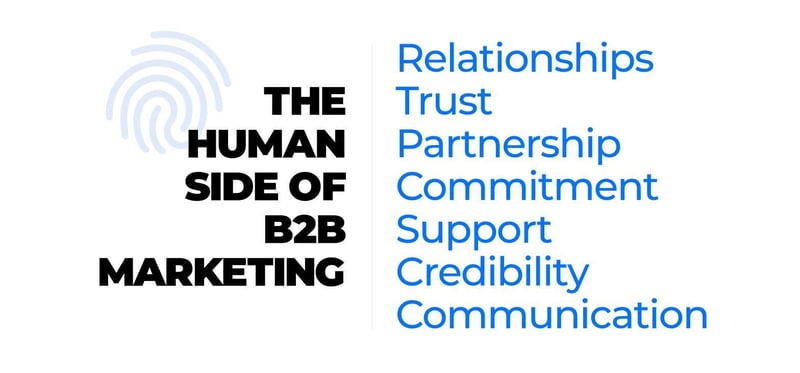
Trust is particularly important in B2B markets, where purchasing decisions often involve substantial investments and long-term consequences. B2B customers require a high level of confidence that a supplier will deliver on its promises, stand behind its products and respond when challenges arise. They’re not looking for a short-term relationship; they’re looking for a valued partner.
3. Partnership
B2B customers are looking for companies that can help them. Partners who will learn their industries, their applications and their processes; who will listen and understand their challenges and pain points. And offer meaningful solutions for those pain points. Rather than focusing on what they’re selling, successful B2B brands demonstrate how they can help. That customer-focused approach turns a supplier into a strategic resource and fosters a deeper sense of commitment
4. Commitment
It takes a significant investment in time and resources to build a partnership like the one described above. It’s not just about the latest technology, the best marketing, the highest quality or the cheapest device. It’s about a sustained commitment to customer success. Long-term loyalty often comes down to what happens after the sale.
5. Support
Few things reinforce a B2B relationship more effectively than dependable support. Support can take all kinds of forms. Late-night calls. Overnight deliveries. Correcting billing problems. Replacing faulty or damaged products. Delivering what they need, when you promised it. Do that consistently over time, and you begin to build credibility.
6. Credibility
B2B buyers have a lot riding on their decisions. Jobs, careers, bonuses. Hundreds of thousands or even millions of dollars. In some cases, even lives can depend on the choices they make. So, the truth is important. Even critical. Building credibility means more than demonstrating technical expertise; it means providing accurate information, setting realistic expectations and being transparent about what you can deliver. Ultimately, it means open and honest communication.
7. Communication
Effective communication isn’t only about delivering the right message; it’s about honesty, clarity and dialogue. Customers value partners who communicate clearly, listen to concerns and tell them the truth, even when it’s difficult. When challenges arise, they want straightforward answers, not sugarcoated explanations or empty promises. That kind of transparent communication reinforces all of the other principles and demonstrates a genuine commitment to the customer relationship.
The most effective B2B marketing strategies recognize that business decisions are also human decisions. While technical expertise, product performance and measurable ROI remain essential, the relationships behind those decisions are just as influential.
For marketers, that means looking beyond product specs to tell a complete brand story. One that conveys the expertise, values and people that make it a partner worth choosing.
We have a ton of resources to help you do these things. Here are just a few:


enews
Sign up for Godfrey enews to get B2B marketing agency insights, industry trends and valuable resources delivered directly to you.