April 2, 2008 | 10:39am
Integrated Machine (Lynne Marie DeMers-Hunt)
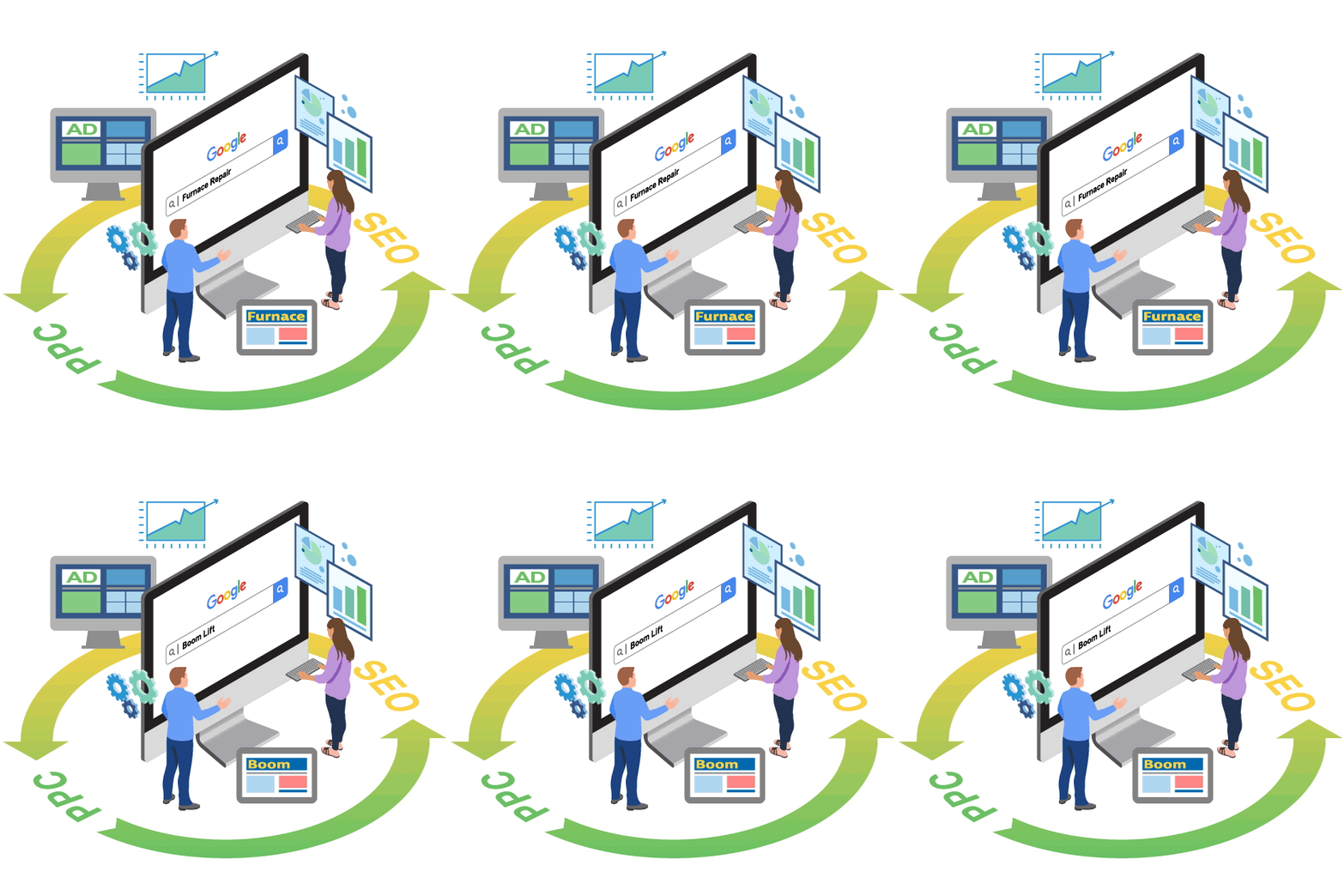
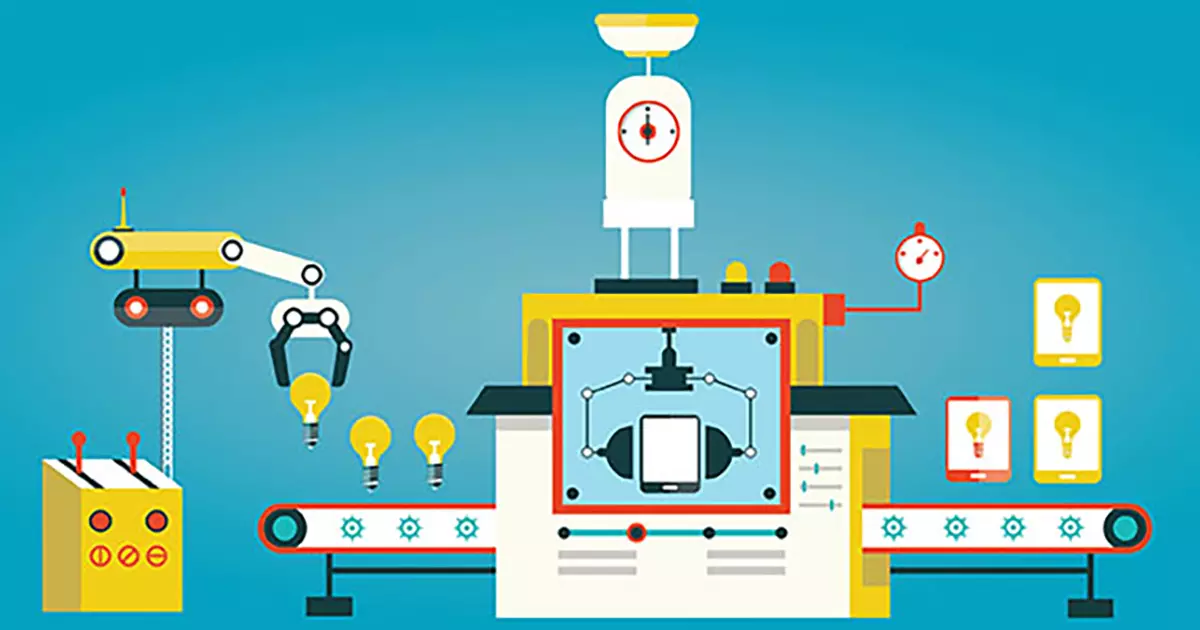
 Integrating your marketing 2.0 efforts cannot be overlooked nowadays. Search, social media components, email and direct mail all need to work together to help the customer along the buying process. Each element in itself does some pretty heavy lifting, but combining them to work in conjunction, you develop an assembly line of integration. For example, some B2B companies are not only sending targeted emails to potential customers, but including blog elements into their campaigns. A simple combining of technologies not only allows them to reach and listen to their audience, but helps build a community – a community who likes to talk to each other. They have been able to reach an audience they did not directly target and find out more than they originally expected. When you add a search element into the mix, you drive even more traffic to the community. Following up your efforts with the correct analysis and constant realignment will have your ---More---


|
March 31, 2008 | 10:00am
 To add one additional thought to Russ Green's recent post on getting on board with social media, one possible source of hesitation might be that marketers aren't sure how or why to apply the new media. Here are a few thoughts about the ways the social media apply to the B-to-B environment:
- Networking: Many users find the new social media like blogs and social networking sites to be a great way to stay in touch with old coworkers or customers who move to another position. Losing a customer in one job may simply mean gaining a new customer, if you stay in touch. And beyond being able to wish people a happy birthday, social media may also assist your efforts to recruit top talent.
- Content management: Many companies have purchased global content management systems at huge expense, and still have not achieved their goal of involving more of their
---More---
|
March 21, 2008 | 1:02pm
 A recent article in B2B Magazine cites moves by B-to-B media companies Reed Elsevier, United Business Media and Ziff Davis that, collectively, point to the difficulties trade publishers are having in managing the migration from print to online. Ziff Davis filed for Chapter 11 bankruptcy protection, citing a decrease in revenue from print advertising and subscriptions. UBM announced that it had restructured CMP and eliminated the CMP name. And Reed Elsevier put its Reed Business Information unit on the block. While we are not happy to see reputable trade publishers suffering, the future belongs to those who leverage technology and find, or hold on to, the B-to-B audience. As we discuss in our white paper on this topic, trade magazine publishers once owned the franchise as aggregators of information. ---More---
|
March 18, 2008 | 9:38am
 I’m back in the creative seat again. I volunteered to step in and head our creative staff after we agreed Jim Everhart, my predecessor, should spearhead our hyperintegration efforts. I’m looking at things from a slightly different perspective now – a perspective of someone with a lead “creative” title and responsibilities. As I remove my account manager hat, something strikes me. We creative folks have more tools at our disposal – blogs, podcasts, email marketing, and the list goes on. Our primary function has always been to think of new and unique ways to tell our client’s story, demonstrate a benefit and craft compelling ways to reach out to a marketer’s various constituents – engineers, channel partners, integrators, other influencers and ultimately, end-users. Sure, we still need to apply our traditional creative skills, but we now have these new, exciting tools at our disposal. ---More---
|
January 8, 2008 | 12:03pm
One of the most important – and often overlooked – aspects of an effective B-to-B direct marketing piece is strong offer or “call to action”. Targeted lists, clever copy, and a uniquely styled piece are all important but you cannot forget your main goal: action. Let your literature and website do the heavy lifting for information, your direct piece needs to get your audience to act. According to many marketing gurus, 40% of a direct marketing piece’s impact comes from the value of the offer. That percentage is equal to the importance of sending to the targeted list in the first place, with the last 20% coming from the design/writing of the piece itself. Unfortunately, I’ve seen too many B-to-B marketers place a majority of the importance (70%) on how the piece is designed and written, followed far behind by purchasing a list (20%) instead of building one, and lastly (10%) on a compelling call-to-action. ---More---
|
October 26, 2007 | 4:42pm
Fertile Ground for Direct (Lynne Marie DeMers-Hunt)
In the B-to-B marketing world, most companies sell products and services to relatively well-understood market niches or groups of prospects. So even though you may use broader communication tactics such as advertising and public relations to communicate branding and product messages to markets in total, it makes sense to use direct marketing tactics to deliver more tailored messages to smaller sets of potential customers. To build brand affinity and deliver important messages, B-to-B marketers have long relied on direct mail and newsletters to deliver important company news and product information to known customers. These tools help supplement direct sales contact and keep you “top of mind” to your audience. Digital communications channels such as e-mail, e-newsletters and other tactics are making the task of customer cultivation, easier, faster, and more efficient. ---More---
|
July 27, 2007 | 4:18pm
E-mails, E-newsletters, Blogs, Social Networks, RSS feeds, Widgets, Wikis, Wireless – there are A LOT of online applications and services for a marketer to learn and use properly. “How do I reach the right audience, at the right time, with the right message?” looms large in the ever growing B2B-shaped world. According to Stefan Pollard, of EmailLabs, the key is to look at these channels as just “parts” of a strategic “whole”. Focusing on any one strategy can leave you with limited options to offer and virtual holes in reaching your customers - many of whom may be using different forms of communication (including non-Web 2.0). So how can these channels of communication help you market effectively through e-mail?
- Blogs – helpful in gauging customer feedback or as a source of marketing research for your future emails or e-newsletters.
---More---
|
March 15, 2007 | 3:23pm
Relationship Marketing (Lynne Marie DeMers-Hunt)
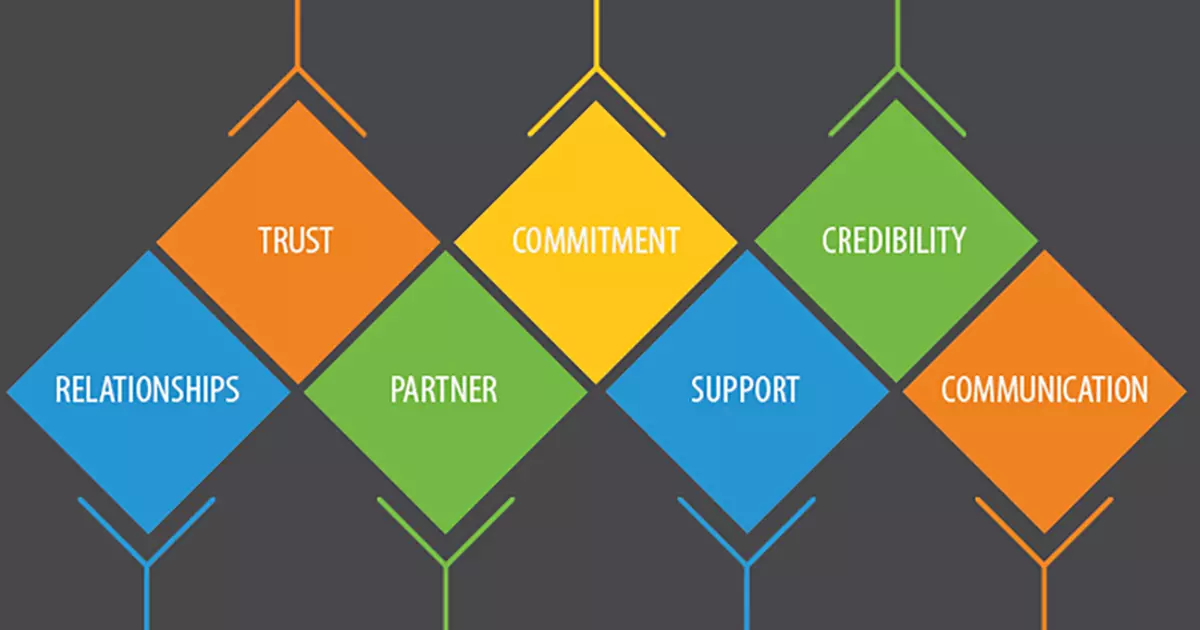
Relationship Marketing evolved in the 60’s and became popular in the 80’s. It’s a classic and essential form of marketing that we should all strive to put into practice with existing and developing clients.
Relationship marketing emphasizes the understanding of your customers needs through their buying life cycle, providing products and services as they need them and, mostly importantly, building long-term relationships.
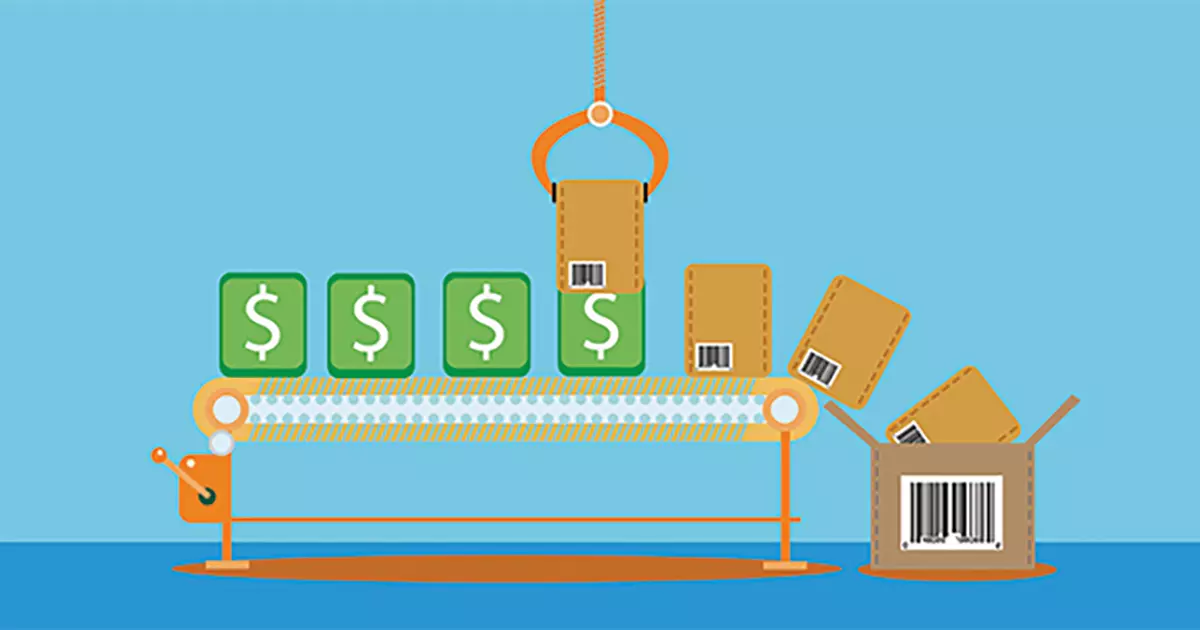
Relationship Marketing is a powerful tool that can substantially increase the profitability of a business. According to Harvard Review contributors Riechheld and Sasser, a 5% increase in customer retention can lead to a 25-85% rise in profits, depending on the industry. How does this occur?
- High cost of acquisition – the longer the relationship, the lower the amortized cost
- Long-term
---More---
|
February 26, 2007 | 9:45am
I was speaking with one of my longtime colleagues recently about the heady days of the late '90s, when we were "changing the world" with that new-fangled thing we called the Internet. Much has happened since then, including the dot-com implosion, and now, the long-expected resurgence of web activity, especially in b-to-b. But, we were remarking, it's different now. The revolutionary fervor is gone, replaced, perhaps appropriately, with a more businesslike approach. There's no longer the veiled threat of "companies that don't do e-commerce will be out of business in five years." It's been replaced, however, by an almost dizzying array of options. Where there once was the Internet, or maybe, broadly, the new media, now there is a crazy-quilt landscape of options, all growing out of our ability to connect and communicate electronically. ---More---
|