January 29, 2010 | 2:15pm
 I remember taking a journalism class back in college where the professor harped on using the same adjectives more than once in a story. He urged us to be more creative to come up with different adjectives, and would even dock points if we duplicated words. Since then, I’ve always had a thesaurus at my desk.
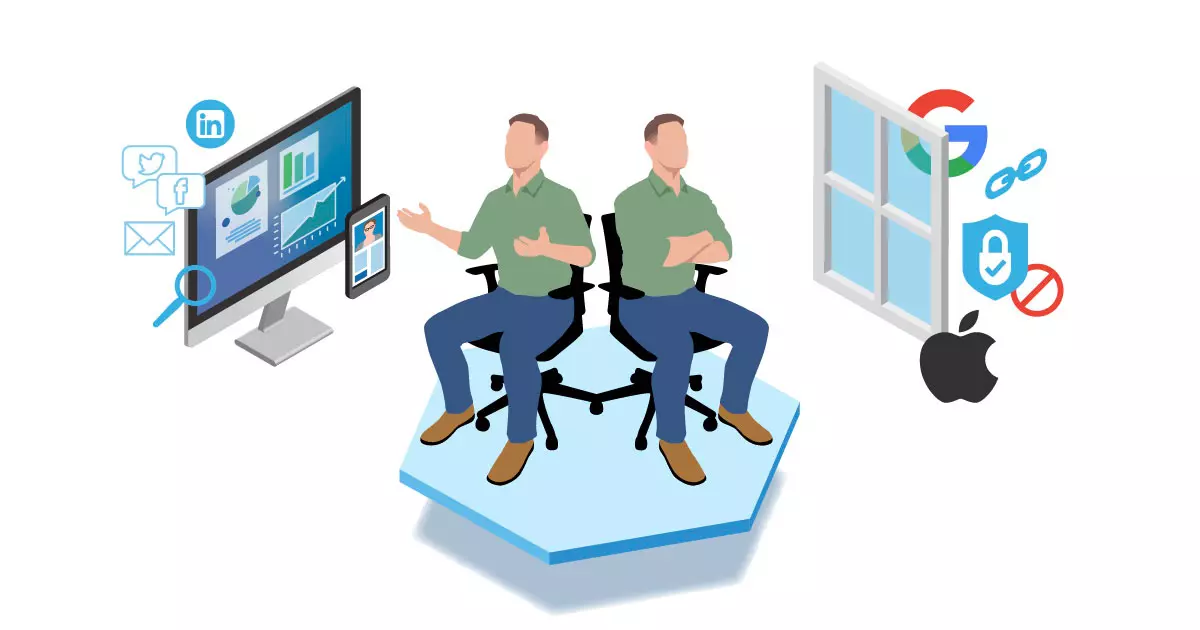
Admittedly, this was before today’s search engine revolution, with its emphasis on keywords. Now, instead of using a thesaurus to help write a press release we turn to the Keyword Tool on Google AdWords, which allows you to test keywords or phrases and see how often they are being searched. You don’t want to select words with poor search results.
This presents a dilemma for many writers who like to use their official company lingo, abbreviations, or even generic wording (e.g., the word ---More---
|
January 8, 2010 | 4:03pm
 There is a running joke around the office about my "love" of twitter. So, it was not surprising when my colleagues asked if I will run out and buy a Ford after the news that twitter will be incorporated into future Ford Motor Co. vehicles. (And, the answer is no, by the way.)


But, in all sincerity, as a public relations professional who loves to connect with people and needs to stay tuned into the latest industry news, twitter has been very helpful. Here are a few simple examples of how you can use it:

- Follow publications that are relevant to your space to stay up-to-date on what’s happening in the industry. On my personal twitter account (@ABBYBUTT), I recently started a B2B publication list… check it out – and if you are an editor or a publication and I missed you on the list,
---More---
|
November 5, 2009 | 2:30pm
 I didn't mean to be anti-social. Really, I didn't.
I shut down my Twitter and Facebook accounts recently because I was failing to maintain these on-line representations of me, a B2B marketing and PR professional, in a way that was adding value. In fact I was hardly maintaining them at all. And that's not the way to be social these days, much less helpful. So, I've temporarily unplugged. (Oh, not entirely. I kept my LinkedIn page up and even updated my profile a bit, but that's beside the point).
The point, as my 20-something reverse mentor tells me, is to get and stay engaged. "Commit to 10 to 20 minutes a day," she said. I know she's right. And I know it's a bit early for a New Year's resolution, but I think I have one already. It's a matter of see and be seen, listen and contribute, or risk irrelevancy.
In an impressive study released today, Business.com reports about ---More---
|
November 2, 2009 | 1:59pm
 Is it just my imagination or is the Social Media landscape expanding faster than global warming on the Arctic’s polar ice cap?
On the publishing side of Social Media, we’ve got key players such as Wikipedia and Digg. On the sharing front, it’s Web sites like YouTube and Flickr. In the social networking arena, the heavy hitters are Facebook and LinkedIn. And don’t forget Twitter, which has taken blogging – in this case, microblogging – to a whole new level.
At this stage of the game, B2B marketers probably feel like they need a scorecard to keep track of all the Social Media players, their positions, strengths and weaknesses. The question is, which player is paying its dues right now in the minor leagues, poised to make a dramatic leap to the big leagues?
I don’t have that answer, but I do know one thing: Social Media is here to stay. And here’s ---More---
|
July 20, 2009 | 1:40pm
 Recently a colleague asked me why I - a B2B PR practitioner - was so bent on taking the LEED AP exam. LEED (Leadership in Energy and Environmental Design) is an internationally recognized green building certification system. According to the U.S. Green Building Council (USGBC) which developed it, LEED accredited professionals, or LEED APs, are said to "have demonstrated a thorough understanding of green building practices and principles and the LEED Rating System."
I also shared with my colleague that a couple of my B2B marketing client contacts had recently taken and passed the exam. "So, why do you want to be a LEED AP?" she asked. It was a good question and it made me think. I needed an elevator pitch.
The best that I've seen so far comes from a November 2008 ---More---
|
June 29, 2009 | 11:48am
When the economic recovery begins to vibrate the sales needle in your industry, what's one thing your customers will demand before they buy? Credible references: Other satisfied customers; proof you have handled successfully their type of application before.
Traditionally we tackled this with reference lists and case study articles, often posted on-line with relevant photography. Why not kick this up a notch with video case studies so prospects can see and hear your customers talk directly about their experience with your firm?
Video has impact and authenticity. It's flexible; it can be used on-line and in sales presentations. It is searchable and shareable on the Web, and views can be tracked and quantified. And there is growing evidence that on-line video has a solid place in B-to-B marketing communications and PR programs.
A recent study by Knowledge Storm Inc. ---More---
|
May 9, 2009 | 10:06am
 Finally, we're seeing some early positive indicators among the headlines about the economic situation. They remind us that, eventually, things will turn around. When, how much and how fast are anyone's guess. And there may be more bumps in the road, depending on your industry and company health.
But as we make our way through 2009 and prepare for 2010, it's time to change our thought process from "marketing in a downturn" to "marketing in the recovery." But it isn't just about remembering what to do with a real budget.
Things have changed.
This recession coincided with other changes in the B-to-B marketing landscape. We think it has accelerated some changes and that the marketing landscape in the recovery will not be the same as the one pre-recession.
- The media have changed. Some of the changes are jarring - some storied print properties have gone out of existence.
---More---
|
March 9, 2009 | 1:17pm
What can you say about the state of B-to-B PR right now? That it's holding its own in the midst of severe marketing budget cuts? That its value is shining through because it is so cost effective? That it's leveraging social media and social networks in innovative ways that many B-to-B marketers wouldn't have imagined 12 - maybe even 6 - months ago?
I think I would say all of those things, but they are all so obvious, right? There's another level where PR plays that's always important but is absolutely critical in times of crisis, and for many B-to-B companies the current global economic situation is a true crisis.
At its best, PR can help frame issues and articulate policy for senior management. It can then be the engine of communication to all stakeholders. At its best, PR can be the tip of the spear, leading the charge as companies manage through this recession and simultaneously begin to plan for the turnaround.
PR can be the level head and calm ---More---
|
January 13, 2009 | 1:52pm
Should you preserve your PR budget in 2009?
I think most marketing managers have heard that it’s unwise to cut advertising activity when the company budget is tight. But what about public relations activity, which is often moved to the back burner in favor of direct lead-generation tactics? Here are a few reasons why your PR investment still makes sense even with an ultra-tight budget.
1) Your Company Needs a Voice. Even if budgets are cut, you don’t want your company to “lose its voice.” If your company goes silent, another company will certainly fill the void. Plus, how much “louder” will you need to speak when customers are ready to buy again? If you don’t have the budget for a large advertising campaign (or even a small one), PR is a good way to keep your voice out there in the news media, whether it’s through a basic press release program or even interviews for round-up articles. ---More---
|
November 2, 2008 | 10:26pm
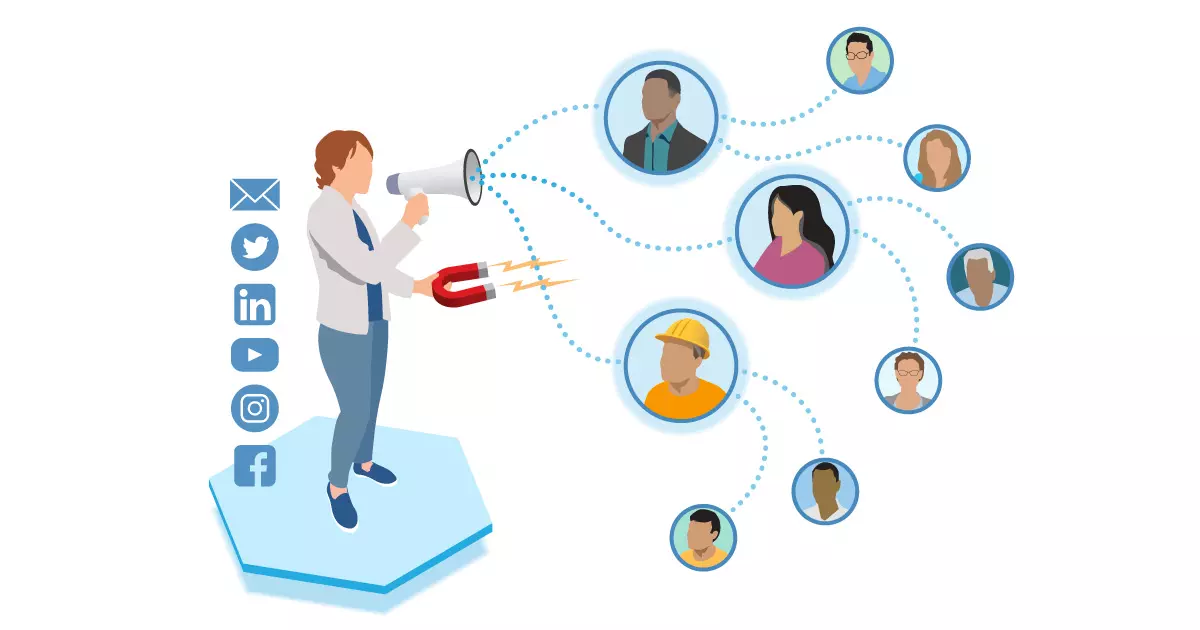
Social media is about engaging in conversations with decision makers and influencers directly via the Internet. It’s about community and collaboration. And, with the changing media landscape, there are a lot of ways to engage in those conversations – from blogs to podcasts to social networks… the list goes on and on.
In fact, check out Brian Solis’ Conversation Prism to see the endless possibilities. At first glance, this conversation prism may appear overwhelming. But, instead, think of all of the opportunities that exist within this prism for you to have conversations – and build relationships – with ALL of the various channels you are trying to reach.
With social media, you are able to: improve customer communication and collaboration; track sentiment about the company; identify advocates, influencers and enthusiasts; spot any ---More---
|