B2B Insights Blog Basics
Most Recent Postings
June 30, 2008 | 11:04am
 The revolution in how people use media has ignited the upheaval in marketing communications strategy we are calling hyperintegration. It begins with media, but doesn’t end there. Time was, the job of media professionals was to make the best purchase among a limited number of advertising media. In the consumer world, that meant TV, magazines, newspapers, and radio. Maybe outdoor. In business-to-business, the range was even tighter: which trade journals fit the best and were the most cost-effective? The explosive growth not only in the number of options, but in their essential nature has changed the situation dramatically. A podcast offers informal, but personal, contact. A video shows rather than tells. A webcast demonstrates expertise. And it’s hard to beat search – paid or organic – for generating leads. The point is, it’s not just about reach and frequency any more. ---More---



|
June 27, 2008 | 9:48pm
 Inspiration can come from anywhere, and the spark of an idea can come from anyone. Not long ago, I was part of a team that needed to come up with a positioning ad campaign for one of our clients. Our account manager reviewed the situation with our creative team. Towards the end of his review, I remember him saying, "OK, and here are a few of my stupid thoughts and ideas...." Then he continued to rattle-off several things. One of his so-called "stupid ideas" really stuck in my head. So much so, I spent hours one weekend working on taking that idea—and several others—to the next level, showing how they could work in a series. During our next team meeting, the creative folks and I presented the ideas, and then built upon those ideas, making them stronger and stronger. There is nothing I find worse than a so-so idea that looks good. ---More---
|
June 13, 2008 | 3:59pm
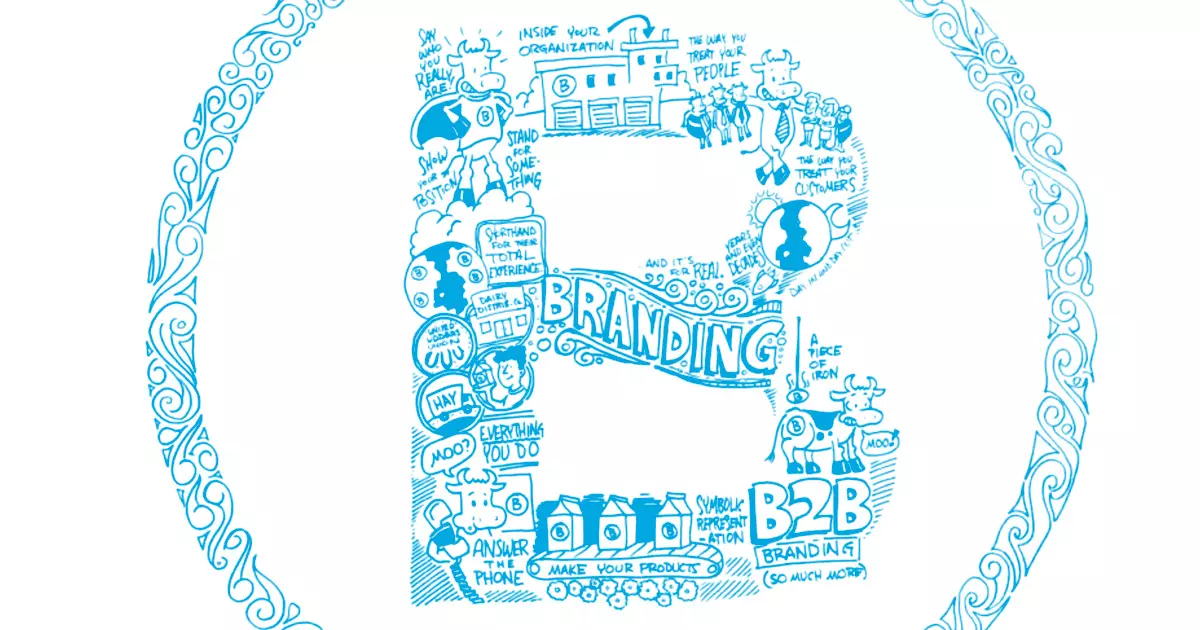
We’ve talked often about the role of branding in helping to improve marketing communications effectiveness and that certainly is its most obvious use, especially when you are trying to justify budgets to management and financial people. Branding has a “softer” side, however. And that is branding’s role as self-revelation, as an opportunity to tell the world who you are. For some, that can be a major event in a corporation’s life, giving you several equally-important opportunities: - To understand the past, what made customers trust you years ago, and how they think of you now.
- To organize the present, to sort out what issues are temporary and transitory, and what factors have long-term consequences.
- To shape the future, to decide what kind of company you will be in five, ten, or even 20 years.
To do that, of course, branding has to be much more than graphics, colors, and typefaces. ---More---
|
May 13, 2008 | 9:27am
 Lately I’ve been riding the bus to work, trying to save on gas. A fringe benefit is that I can listen to podcasts on my MP3 player. Many B-to-B marketers (including some of our clients) are using podcasts to reach specific audiences who want to be informed. It’s a great tool for companies to establish thought leadership. However, you should avoid the temptation to record a blatant product pitch or “audio brochure.” Instead, content should meet the audience expectation that they’ll learn something new. Your podcast needs to be educational and entertaining. The sales pitch can come later, when the listener chooses to take the next step and request more information (maybe even in exchange for their e-mail address). First and foremost, a podcast should deliver useful information. ---More---
|
March 21, 2008 | 1:02pm
 A recent article in B2B Magazine cites moves by B-to-B media companies Reed Elsevier, United Business Media and Ziff Davis that, collectively, point to the difficulties trade publishers are having in managing the migration from print to online. Ziff Davis filed for Chapter 11 bankruptcy protection, citing a decrease in revenue from print advertising and subscriptions. UBM announced that it had restructured CMP and eliminated the CMP name. And Reed Elsevier put its Reed Business Information unit on the block. While we are not happy to see reputable trade publishers suffering, the future belongs to those who leverage technology and find, or hold on to, the B-to-B audience. As we discuss in our white paper on this topic, trade magazine publishers once owned the franchise as aggregators of information. ---More---
|
March 18, 2008 | 9:38am
 I’m back in the creative seat again. I volunteered to step in and head our creative staff after we agreed Jim Everhart, my predecessor, should spearhead our hyperintegration efforts. I’m looking at things from a slightly different perspective now – a perspective of someone with a lead “creative” title and responsibilities. As I remove my account manager hat, something strikes me. We creative folks have more tools at our disposal – blogs, podcasts, email marketing, and the list goes on. Our primary function has always been to think of new and unique ways to tell our client’s story, demonstrate a benefit and craft compelling ways to reach out to a marketer’s various constituents – engineers, channel partners, integrators, other influencers and ultimately, end-users. Sure, we still need to apply our traditional creative skills, but we now have these new, exciting tools at our disposal. ---More---
|
February 18, 2008 | 3:29pm
 In the Internet age, consumers like to comparison shop. Help them make better decisions with a robust Web site.
Today, when most people want information, they go to the Web – to educate themselves, to look for solutions or to compare companies and products. Often they may be ready to buy, based on the information they find. That’s why it’s so important to design a Web site that includes all the information customers need at any stage in the buying process.
Your Web site is your electronic storefront and as such, it should accomplish three things. First, it should be easy to locate. You can invest thousands of dollars on the best Web site in the world, but if you don’t drive traffic to it, the site won’t do you much good.
Second, your Web site should position your ---More---
|
November 12, 2007 | 9:51am
Web 2.0 has presented us with a dazzling array of new communications tactics we can use to reach B-to-B audiences. It has also added an equally impressive assortment of measurement capabilities. Where we once may have had a handful of print ads, direct mail pieces, brochures, and press releases in an integrated program, we might now have dozens of online ads, scores of Google Adwords, and an e-mail program to thousands of recipients, all segmented by interest. And where we had 800 number phone calls and bounce-back cards returned, we now can count impressions, clicks, open rates, delivery rates, conversions, and search ratings. It’s not an overstatement to say that we’re in danger of being overwhelmed by all the data. John Wanamaker’s desire to know “which half works” could seem even further away than ever. But out of this concern comes a huge opportunity for marketing. ---More---
|
November 5, 2007 | 2:59pm
So you want to design a website?
Remember, designing a website is not just about how it looks. Also keep in mind who you are designing the website for. Is it for you and your company, or is it for the users (potential and existing customers)?
Don't just make your website look pretty and forget about the user. Otherwise your users may get annoyed and forget about you.
|
October 25, 2007 | 12:52pm
Online Ads (Melissa Zane)
Ah, online ads. Annoying? Or do they make you want to click and learn more? I guess it all depends on how you look at it. Or how you write and design it. The easy part of an online ad program is the ad itself. You need to figure out your strategy, create landing page(s), develop your offer if one hasn't already been created, plan how you are going to measure the results, and how you are going to review and revise the program after finding out the results. It is what we call continuous improvement. Here are a few tips and questions to ask yourself when designing your online ads: - What will interest someone to look and click on your ad in one second? - Is the design getting in the way of the message? - Does the ad need to animate, should it be video or should it be static? - Is your ad readable? - Does your ad need images or should it be typographic only? ---More---
|
|