March 9, 2010 | 11:54am
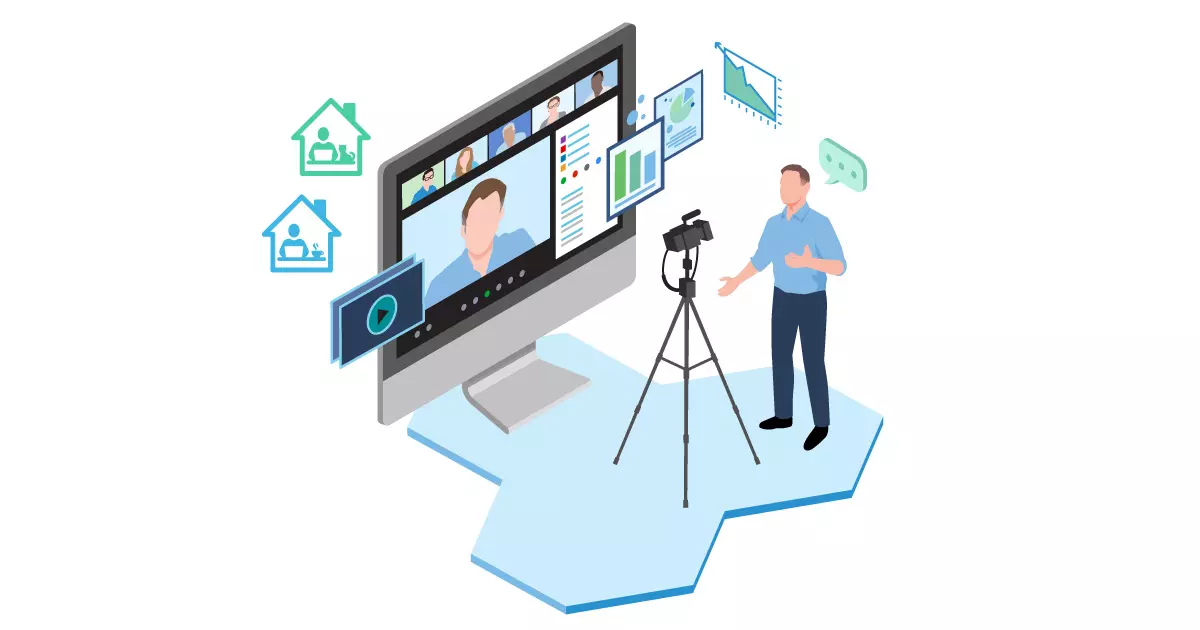
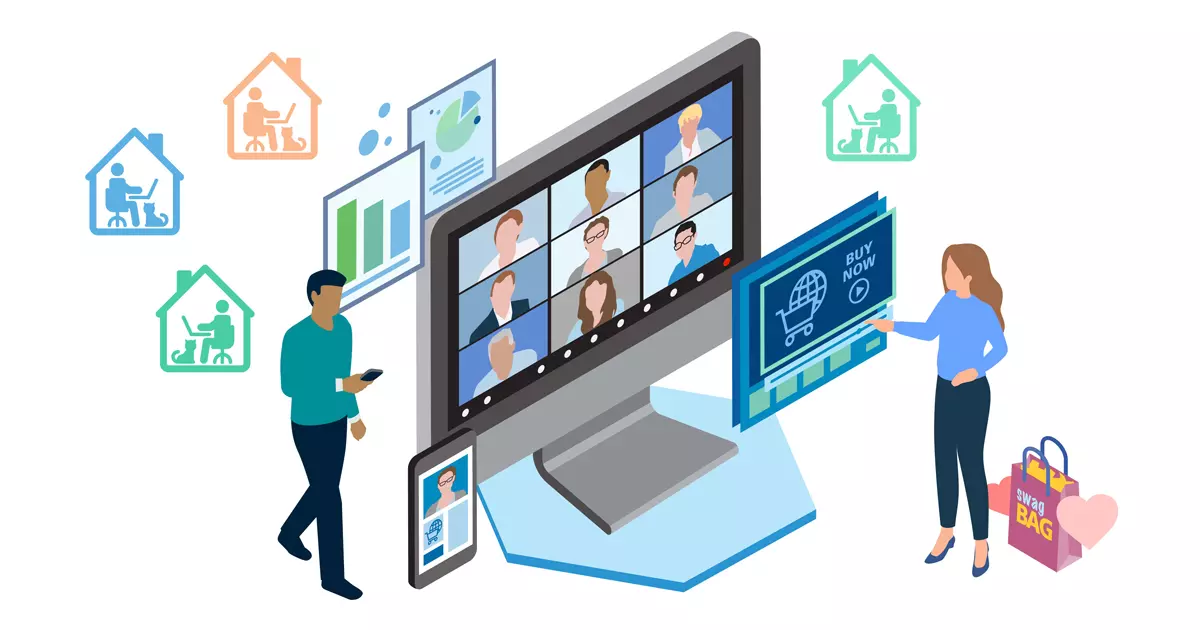
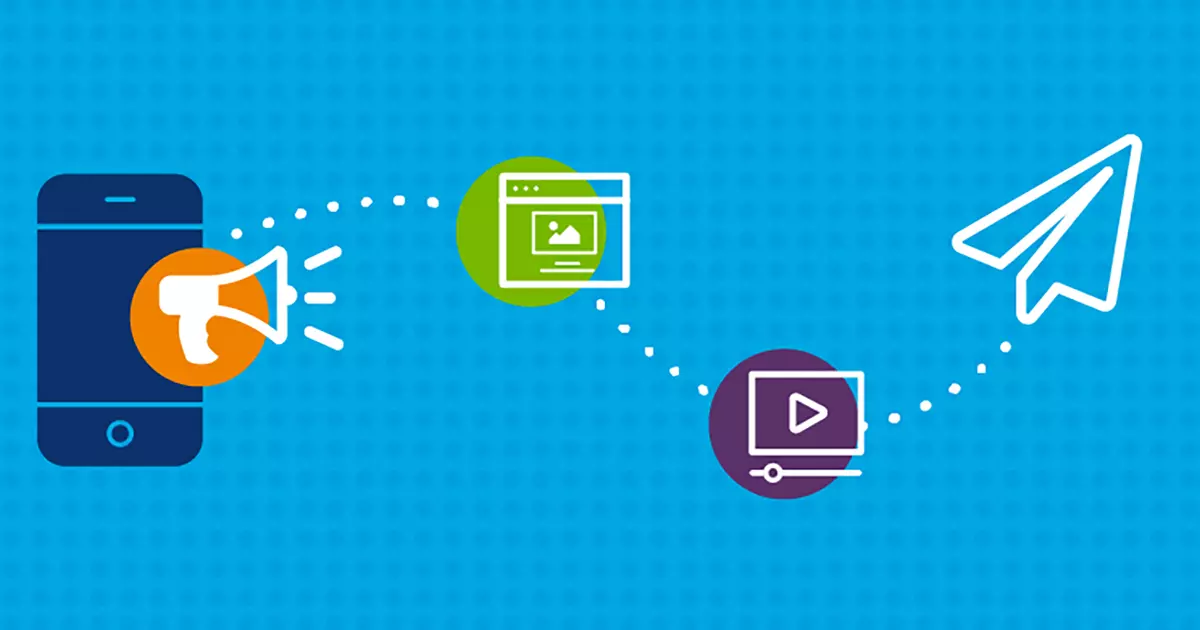
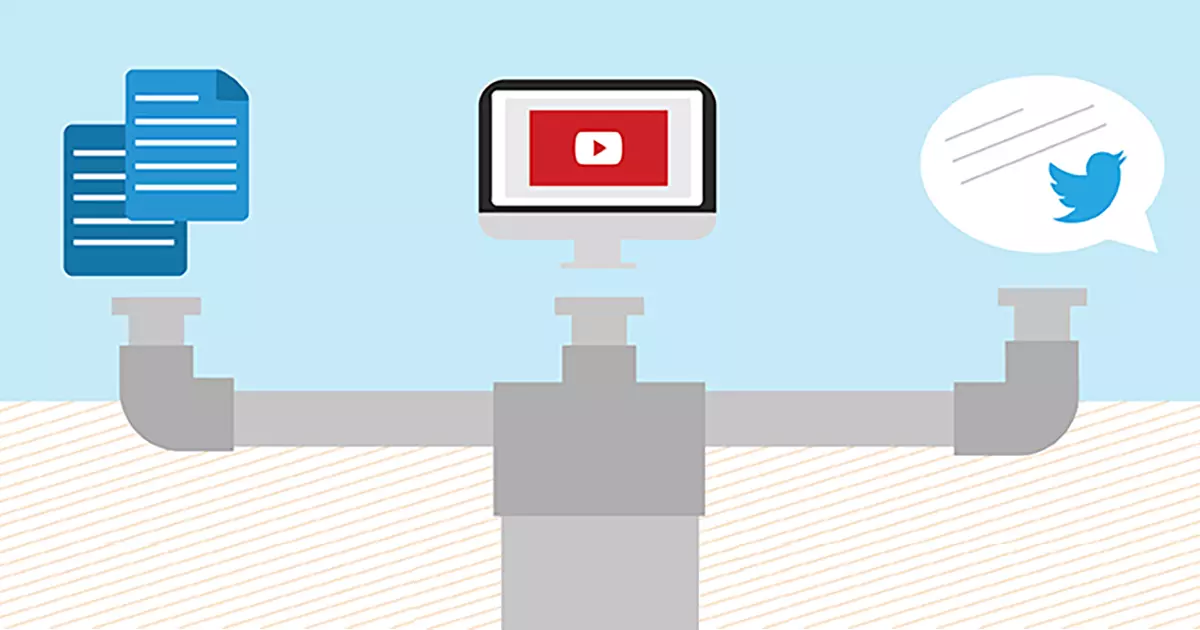
 “Don't say the old lady screamed—bring her on and let her scream.” In his advice on storytelling, Mark Twain’s timeless wit and wisdom holds true in the discussion of online video. Thanks to advances in Internet technology and increased bandwidth over the last few years, online video has emerged as the fastest growing media platform with an estimated 72% of Web users watching online video clips. In the next three years, Web video consumption is projected to double. The message to marketers? Visitors expect a rich experience when they come to your site. As one of the most powerful tools in the marketer’s arsenal, online video offers a wealth of opportunity for rich storytelling, differentiation, brand building and traffic-generation.



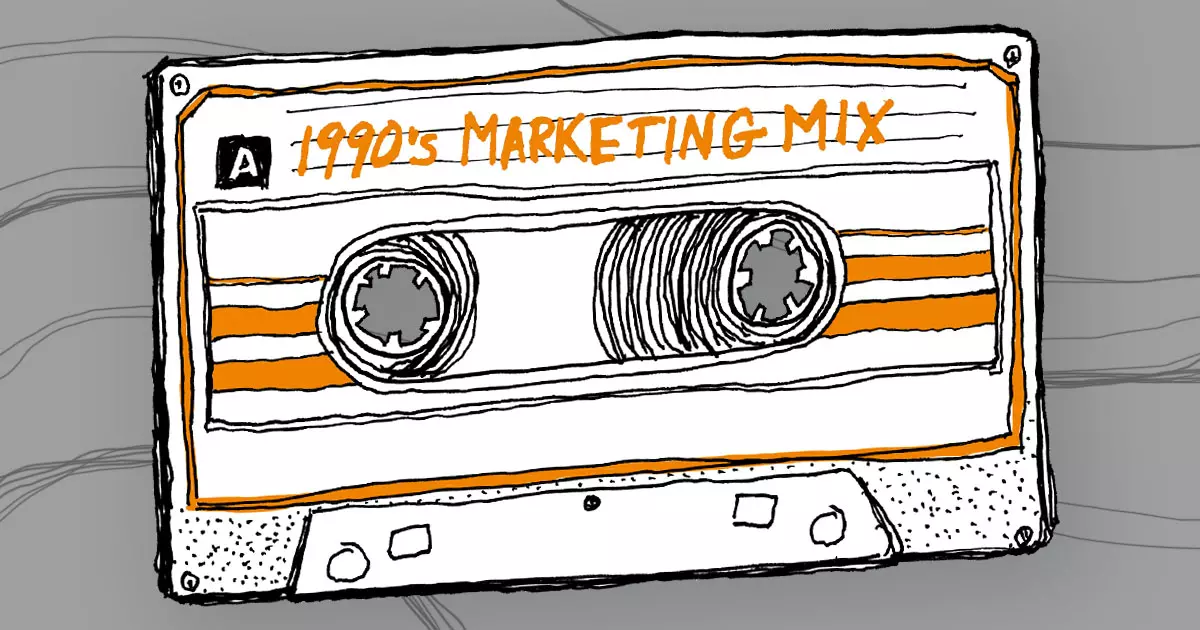
The resurgence of video in storytelling In the 90’s, corporate capabilities videos were commonplace, but distribution was limited to VHS and DVD. ---More---
|
December 10, 2009 | 4:52pm
 In my last two installments on Creating and Maintaining a B2B Blog, I offered suggestions on who should write your company blog, how often you should post and how to develop a content strategy for your blog.
In this third installment of my blogging series, I’d like to make some suggestions on how to promote your blog.
If you are going to invest the time, resources and discipline to create a blog you’ll want to be sure it’s getting read. It is not as simple as, “Build it and they will come.” You’ll need to promote your blog, let people know it exists. Consider all the tactics you can use to announce and then promote your blog including email, your website, search and other blogs. You’ll need to be proactive. Think about active and passive forms of promotion. Here are a few suggestions.
1. Start with your company website. Make sure there is a link to your blog somewhere on your site, or multiple pages if relevant. ---More---
|
December 10, 2009 | 9:32am
 Thought leadership has always been an important element of B2B marketing communications strategy. The reason is simple: most B2B products and services are considered purchases. The selling cycle is normally months or even years, and requires that the customer be educated in the technology or other issues.
Most B2B marketers we talk with understand the need and have some area where they can be thought leaders. In the past, much of the burden for presenting a B2B marketer’s thought leadership message fell on the shoulders of the sales person. However, a host of factors have changed the rules for delivering these messages. Sales reps no longer have the time they once had with customers, let alone prospects. Buying committees have sometimes separated the reps from the real decision makers. And more buyers are doing their preliminary product research online. So you’re increasingly faced with the need to deliver the message when you’re not in the room. ---More---
|
November 4, 2009 | 11:06am
 One of the key tenants of strategy is choice. As we recover from this ugly recession, management in virtually every B2B company, large, medium and small faces BIG choices, like how they should position their company for future marketing success. Make no mistake, the consequences of these choices are BIG. They will have a much larger impact than next quarter's sales results.
What will guide decision making for such big choices? Relying on input from the sales force? Good, but not good enough all by itself for getting a true understanding of the market and audience information needed. Secondary Research? Probably some good information can be gleaned, but the information may be too general and, perhaps, not timely. Research done through publications is limiting and often lacks actionable information and insight.
Management needs solid, timely empirical information to guide informed decision making based on the reality of today's ---More---
|
September 29, 2009 | 11:56am
In my last blog on Creating and Maintaining a B2B Blog I offered some suggestions on who should write your company blog and how often you should post. In this installment, I’d like to follow up a bit more on the frequency of posting and give some direction on what you should be posting. The question we are often asked is, “How often should I add new content or post on my company blog?” The simple answer is: When you have something relevant to say. When you post and what you post is related. Let’s assume you’ve identified an internal “expert” or core team of employees with the responsibility of managing to your company blog. You now need to determine the frequency of posting and create a realistic schedule. Let’s start at the top. 1. Think Strategically a. Does your company have a marketing and communications strategy? What you ---More---
|
September 11, 2009 | 3:47pm
 I’m a commuter so I have a couple of hours a day essentially by myself. I have become a big fan of satellite radio – lots of news shows and NPR. Lately the word count on recovery is up. Funny how reluctantly the word recession was muttered but saying recovery comes easily.
Yes, a recovery will eventually come. Sooner for some, later for others. If you are a B2B marketer you need to be thinking about when your markets are going to recover. Economic downturn/recovery history tells us that marketers that survived previous recessions generally had a recession marketing plan. I don’t know this for a fact but I can only imagine that they also had a recovery marketing plan. Have you drafted one yet?
Today might be a good time to start. But take heed, you can’t simply do a find and replace for dates in your pre-recession marcom plan. If you went quiet during this recession you will be surprised how much the B2B marketing landscape has shifted. ---More---
|
July 31, 2009 | 10:38am
 This has certainly been a year of change. And, possibly what has changed the most is where your audience goes to find their information. I know my own habits have changed substantially over the past year. I went from being a person who swore they would never be on Facebook, to joining Facebook and even Twitter. I even have the Facebook application on my Blackberry. These venues have tremendous marketing value if your audience is participating.
As fellow Godfrey blogger Melinda states, “Print is not dead.” But it is different. Trade publications are definitely noticeably skinnier than they once were. And, given the economic slowdown, maybe people even have more time to read the articles this year. My point is that the economic crisis has caused us to change our behaviors not only as human beings but also as target audiences for many marketers. ---More---
|
July 21, 2009 | 10:22am
When a B2B marketer is asked about measuring brand equity, they usually have a pretty good idea about what folks are trying to glean or understand. But, if you dig a little and start asking what makes up this thing we call "brand equity" you might start to get a few puzzled looks. Dig even deeper and ask how they are leveraging what they know about their B2B brand equity that will have meaningful strategic impact on their marketing decisions in 2010 and you might see a little color drain from their face.
Is your company stuck in the old paradigm of brand equity measurement that offers little more than awareness and perception? Are you ready (and is your management) to develop a deeper more meaningful understanding about brand equity measurement that can be used for more effective 2010 planning?
Research that extends beyond knowledge, but through the use of advanced analytics, modeling and simulation, provides valuable real-time insights on how to build better ---More---
|
June 22, 2009 | 2:06pm
 Ah, yes, the joys of summer! Warm weather has finally arrived in the Northeast. It’s hard to believe that the calendar year is almost halfway gone.
Now is a perfect time for marketers to take stock of their business-to-business programs. After all, the economy is starting to rebound and certain sectors are once again showing signs of life. But the big question is, when will we finally turn the corner? I’m placing my bets on the first quarter of 2010. (Nothing scientific here; just a “gut” feeling.)
In anticipation of a turnaround, marketers should take a step back and put their b-to-b programs under the microscope. Here’s some advice:
1. Revisit your goals and objectives. Is your b-to-b program in line with the goals and objectives of your business? If not, it’s time to make some adjustments.
2. Assess your priorities. ---More---
|
June 12, 2009 | 3:15pm
 Chances are your audience won’t be waiting patiently for you to return as the economy flips its frown upside-down. As marketers, we are challenged to reach our audiences where they want us to reach them, not where we think they’ll be. Listening and researching are imperative in order to offer a successful and relevant campaign.
Here are a few tips to consider:
Think like your audience. Could it be that they are no longer flipping page by page through your industry trade publications but rather reading an online version? Or do they prefer ---More---
|