B2B Insights Blog Basics
Most Recent Postings
May 26, 2008 | 10:03am
New technologies. Media fragmentation. The changing marketing landscape. B-to-B marketing professionals are dealing with them – in many cases struggling with them – as day-to-day realities of the way we “do” marketing today.
One of the consequences of the new marketing landscape is that, as you necessarily devote ourselves to learning new technologies and media channels, you can lose focus on the big picture. It takes time and attention to learn how to properly execute a search engine optimization program, and keep it going continuously. It takes time and attention to implement and constantly tweak a search engine marketing program for continuous improvement. And to know, understand and leverage the continuing stream of new media opportunities and techniques available to B-to-B marketers.
There are endless details and procedures involved in optimizing press materials ---More---
|
March 30, 2008 | 11:14am
You may be reading this after clicking on our E-news item that 45% of integrated marketers in a recent study haven’t spent marketing dollars on emerging media like social networks, blogs, or word-of-mouth initiatives, but are interested in doing so. Of course, the other side of the coin is that 55% have implemented some kind of social media effort. Why haven’t the 45% made the plunge…or at least stuck their toe in the water? A new study by TNS Media Intelligence/Cymfony sheds some light on what we have found to be true through experience. The authors of the survey of 71 marketing professionals in the U.S., Canada, France and the U.K. say that many marketers, “particularly the slower-moving” ones (their words, not mine!), want “best practices” and “proven models.” That’s understandable, ---More---


|
March 21, 2008 | 1:02pm
A recent article in B2B Magazine cites moves by B-to-B media companies Reed Elsevier, United Business Media and Ziff Davis that, collectively, point to the difficulties trade publishers are having in managing the migration from print to online. Ziff Davis filed for Chapter 11 bankruptcy protection, citing a decrease in revenue from print advertising and subscriptions. UBM announced that it had restructured CMP and eliminated the CMP name. And Reed Elsevier put its Reed Business Information unit on the block. While we are not happy to see reputable trade publishers suffering, the future belongs to those who leverage technology and find, or hold on to, the B-to-B audience. As we discuss in our white paper on this topic, trade magazine publishers once owned the franchise as aggregators of information. ---More---
|
March 3, 2008 | 8:57am

Once you get customers to your site, make sure it’s a site you’re proud of. Keep it clean and uncluttered. First impressions are important and provide opportunities to immediately engage visitors with information that meets their needs. Begin by providing a brief description of who you are, including the products and services that you offer, along with language that relates to the visitors need or problem. Don’t give people a reason to leave your site too early. Addressing their “pain issues” up front rather then burying them deeper in your site will encourage visitors to stay longer. Avoid industry speak, and keep your history and mission statement off the home page, reserving this valuable real estate to tell visitors how you can help them. Make the site easy to navigate and the source of relevant content that is short, simple and to the point. ---More---
|
February 20, 2008 | 9:05am
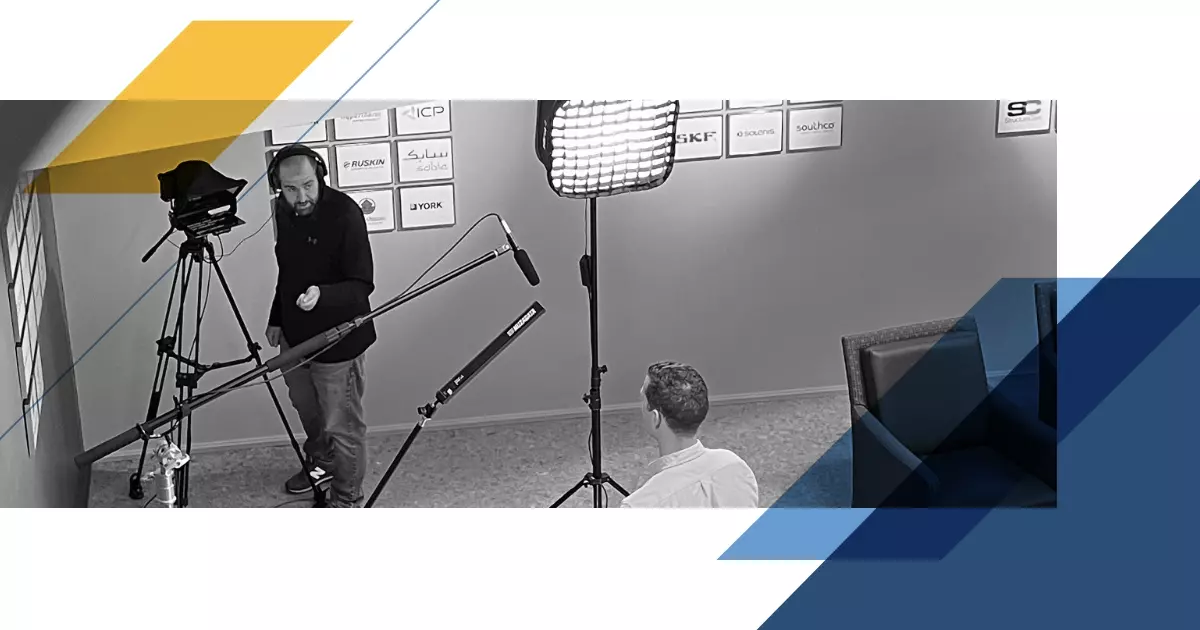
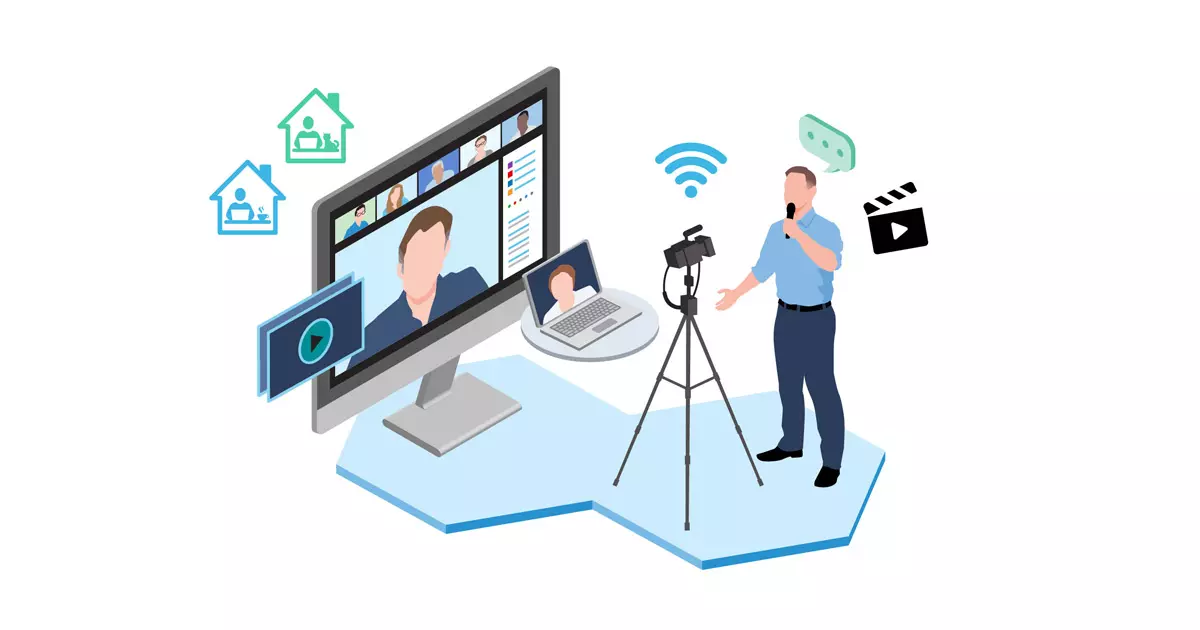
 With the explosion of video on the web -- videoblogging, vidcaps, vodcasts, and mash-ups -- any B2B marketing program should consider greater use of these new media tools to help tell the story. To help guide you with your new media videos, I offer these thoughts: 1. Don't do-it-yourself. You get one chance to make a first impression, and a poor online video viewing experience can turn off viewers. You can't imagine the mistakes that are possible just from capturing sound and lighting issues alone. 2. Give some serious consideration about the best ways to re-purpose your video for multiple uses. 3. Talking heads can get really boring, really fast. Include a variety of graphic elements to keep the viewer interested. Think 3D, animation, special visual effects, scene changes, interesting backgrounds and above all an interesting script. Shoot some "B" roll footage that you can use between scenes. Keep dense text off the screen. ---More---
|
February 4, 2008 | 11:16am
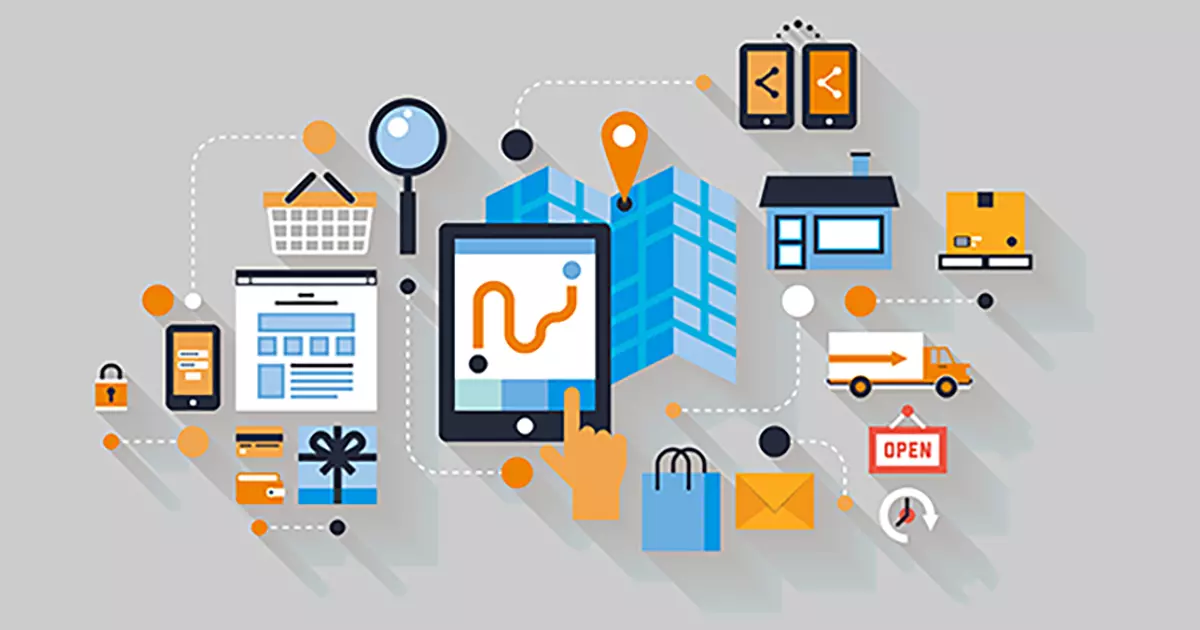
When should B to B marketers start thinking about mobile technologies?
The answer is now. Think about it. There are nearly 200 million subscribers in the U.S., which is about 65% of the population. And thanks to advancements like PDA’s, smart phones, Blackberrys and most recently the iPhone, cellular technology is narrowing the gap between phones and PCs. In fact, with more stringent security for air travelers, many executives have set aside their laptops in favor of their favorite web-enabled hand-held device.
So how should B2B marketers take advantage of this newest medium? There’s no one perfect answer. The best thing to do is start understanding and implementing the basics.
Text messaging was one of the first and most elementary forays into mobile marketing. We’ve all seen text messaging promotions using short codes on popular TV shows like "American Idol" or ---More---
|
January 25, 2008 | 9:36am
 Most business-to-business marketers have a very long to do list for 2008. And if the predictions of BtoB Magazine and others are right, embracing Web 2.0 is probably still on that list. But what embracing Web 2.0 means isn’t just a matter of subjective semantics, a definition varying with each pundit’s proclamations. How you incorporate new interaction techniques should vary with your company and objectives, but most importantly, the individual segments of your target audiences. Remember that your web site serves many different audiences, all with different goals. Some visitors are just starting to research products, others are looking for service and support, while special groups like journalists, partners, and investors, are interested in a getting information quickly and getting on with their tasks. ---More---
|
January 17, 2008 | 8:51am
In the lead article in the December 10 issue of B2B magazine, Kate Maddox outlined “the top 10 marketing trends for 2008, based on interviews with marketers, ad agencies, media executives, analysts and other industry experts.” Read article.
The top 10 are green marketing, globalization, the shift to online, customer in control, embracing web 2.0, improving operations, targeted and personal events, integrating media platforms, going mobile and blended search.
The marketers interviewed include top tier marketers such as Boeing, Caterpillar, FedEx, GE, Hewlett-Packard, IBM, Intel, Microsoft, Oracle, Siemens and UPS. But what about the rest of us? (Okay, we’re an agency but we came from and still serve primarily non-top-tier B-to-B marketers. You know – the real world.)
We think the top 10 list is on target. ---More---
|
December 20, 2007 | 8:54am
Coffee and Google (J. Leigh Brown)
I start my day with coffee and Google. I have my iGoogle home page aggregating information from various business technology, digital and b-to-b marketing, web site design and information architecture sources. I also get Google news alerts on other subjects. The news alerts aren’t always relevant, but there are usually one or two things that interest me. Today, my web site usability feed had a listing about BMW’s new web site launch, touting that “ AJAX technology will increase the site's interactivity, speed, functionality and usability.” Although not a business-to-business web site, I like to stay on top of how leading companies are improving online experiences for customers. After hanging out on the BMW home page for several minutes (reminder to ---More---
|
December 10, 2007 | 5:38pm
 Yes and no, depending on who you ask and how you view the iPhone. If you ask an end-user who's lusting after one, he or she will of course say, "Yes! I'm ready!" The coolness factor is through the roof, and no longer do they need multiple devices to accomplish the same tasks. Visual voice mail and Google Maps alone can be productivity boosters. If you ask the IT folks who would have to support it -- and compare the iPhone with smart phones like the Treo -- they're likely to say no. First, the "multiple devices" it so conveniently replaces are personal entertainment devices -- iPods. Why should IT's budget bear the brunt of that? More importantly, supporting iPhones for now means hit-or-miss synching with Exchange, and no over-the-air push updating. That alone is a deal-killer for many companies. No editable Office docs, that's another downside. ---More---


|
|