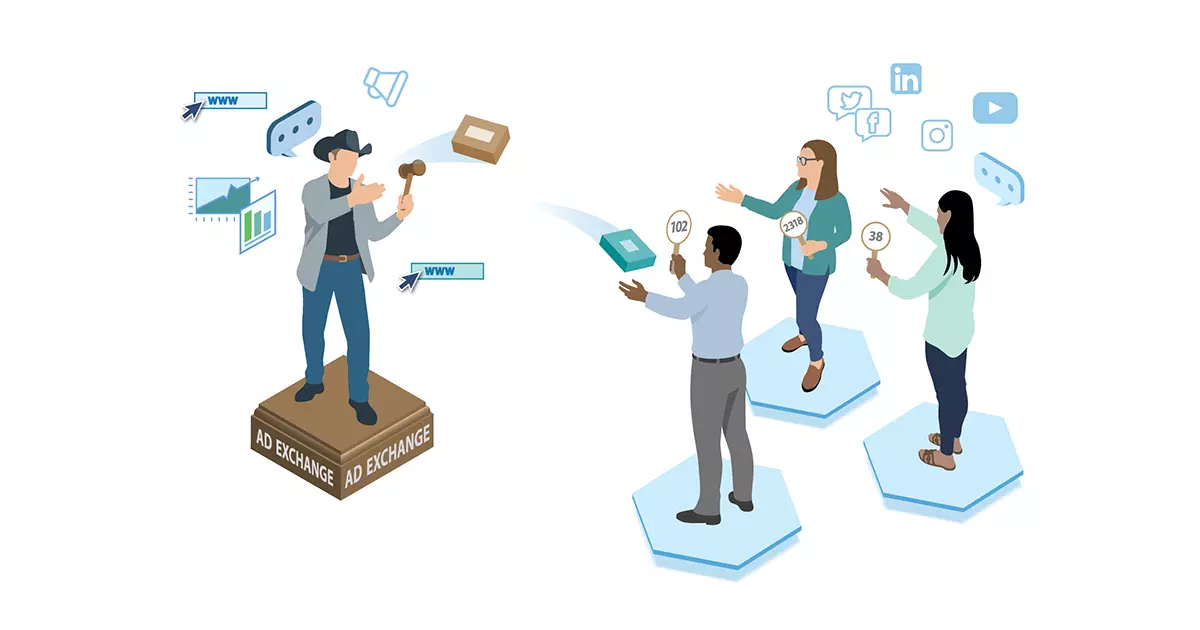
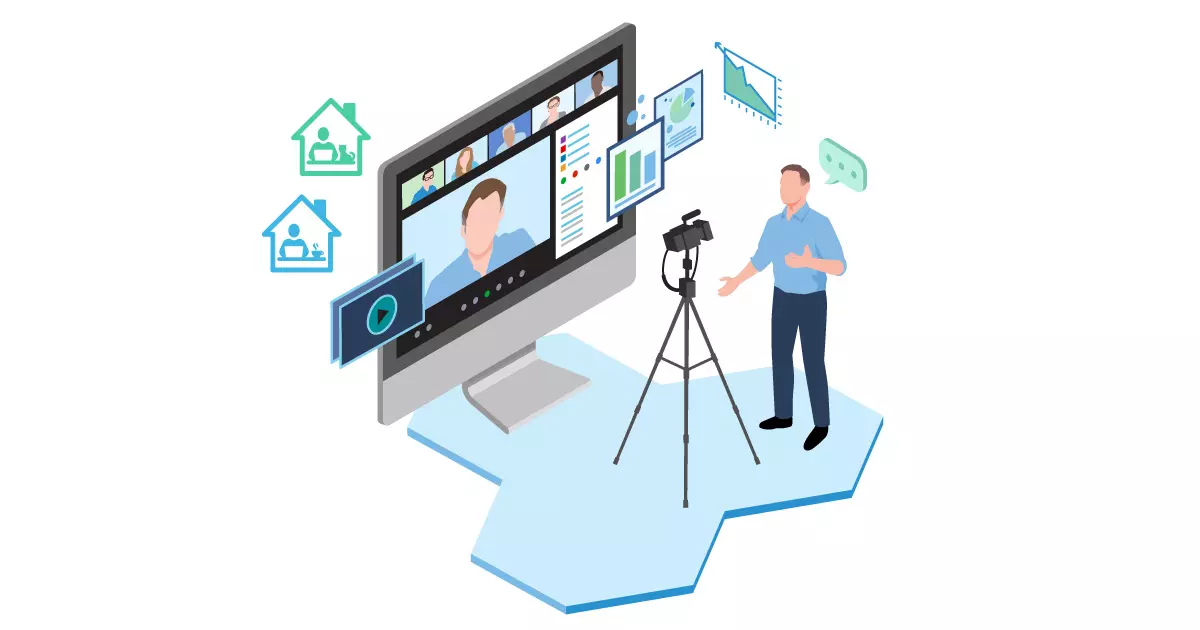
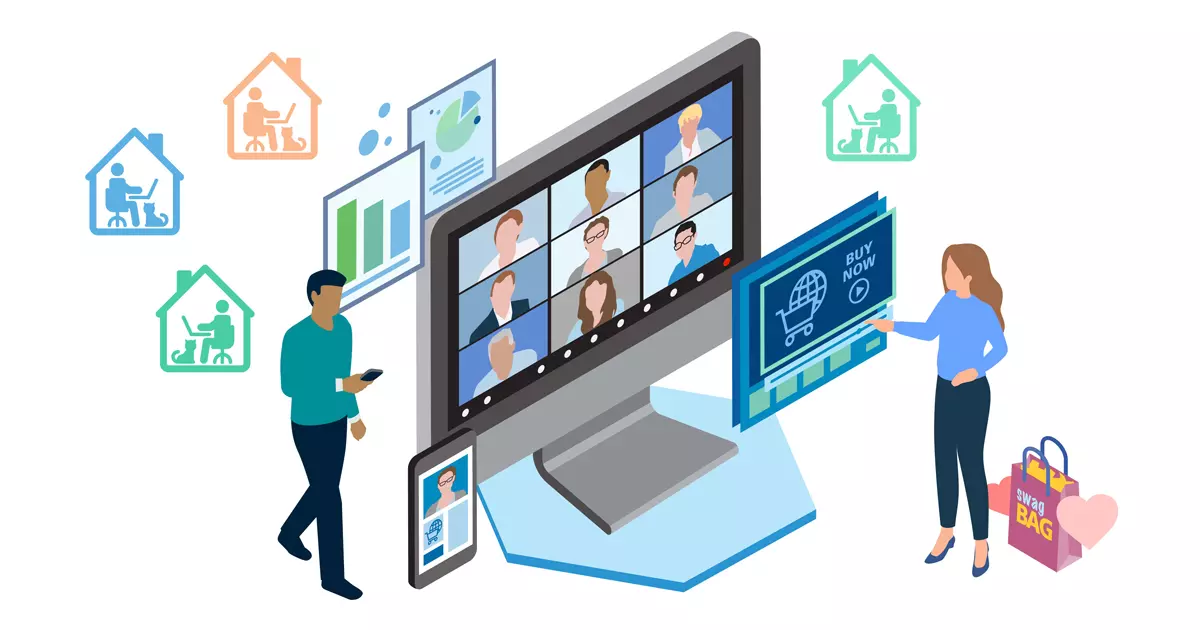
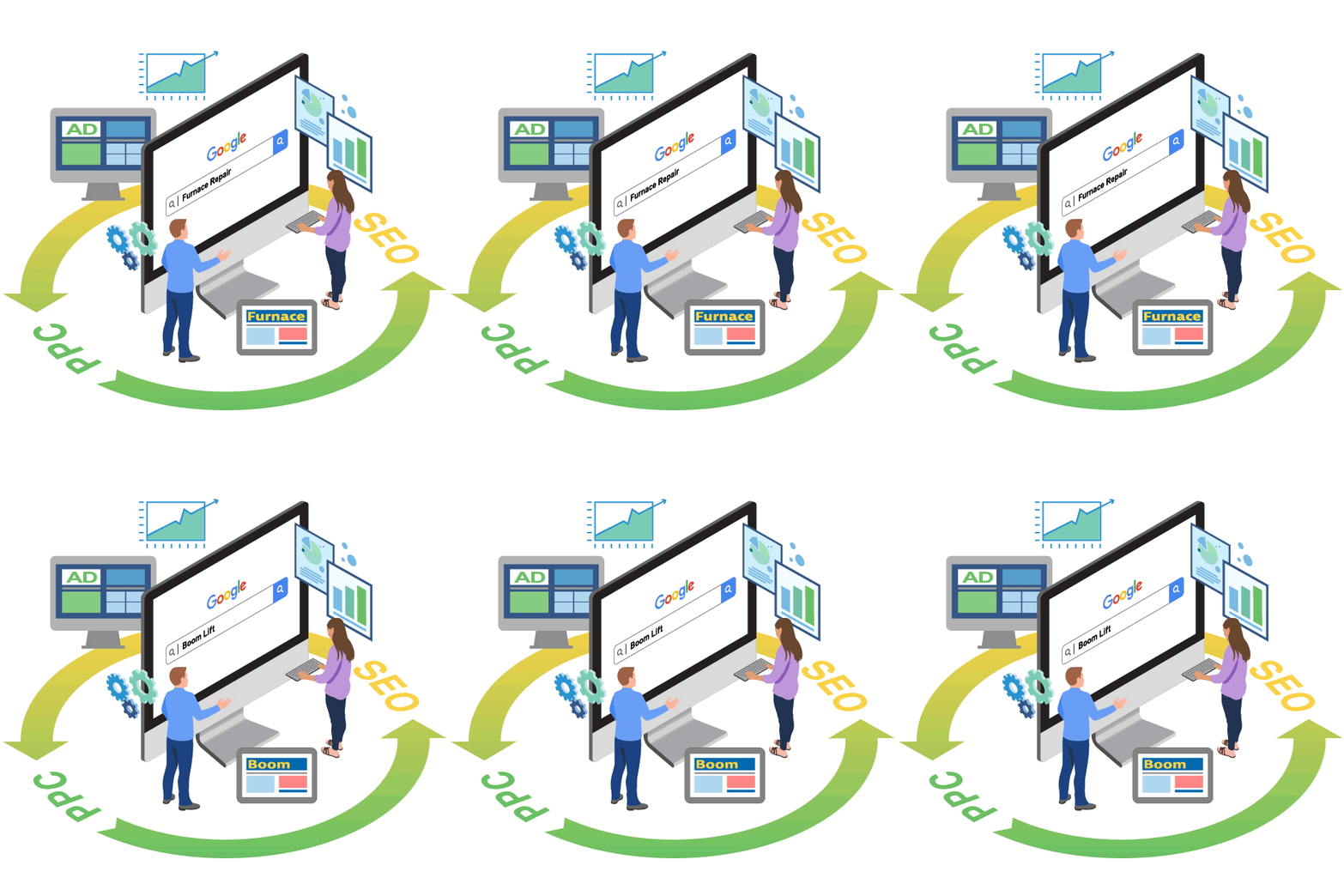
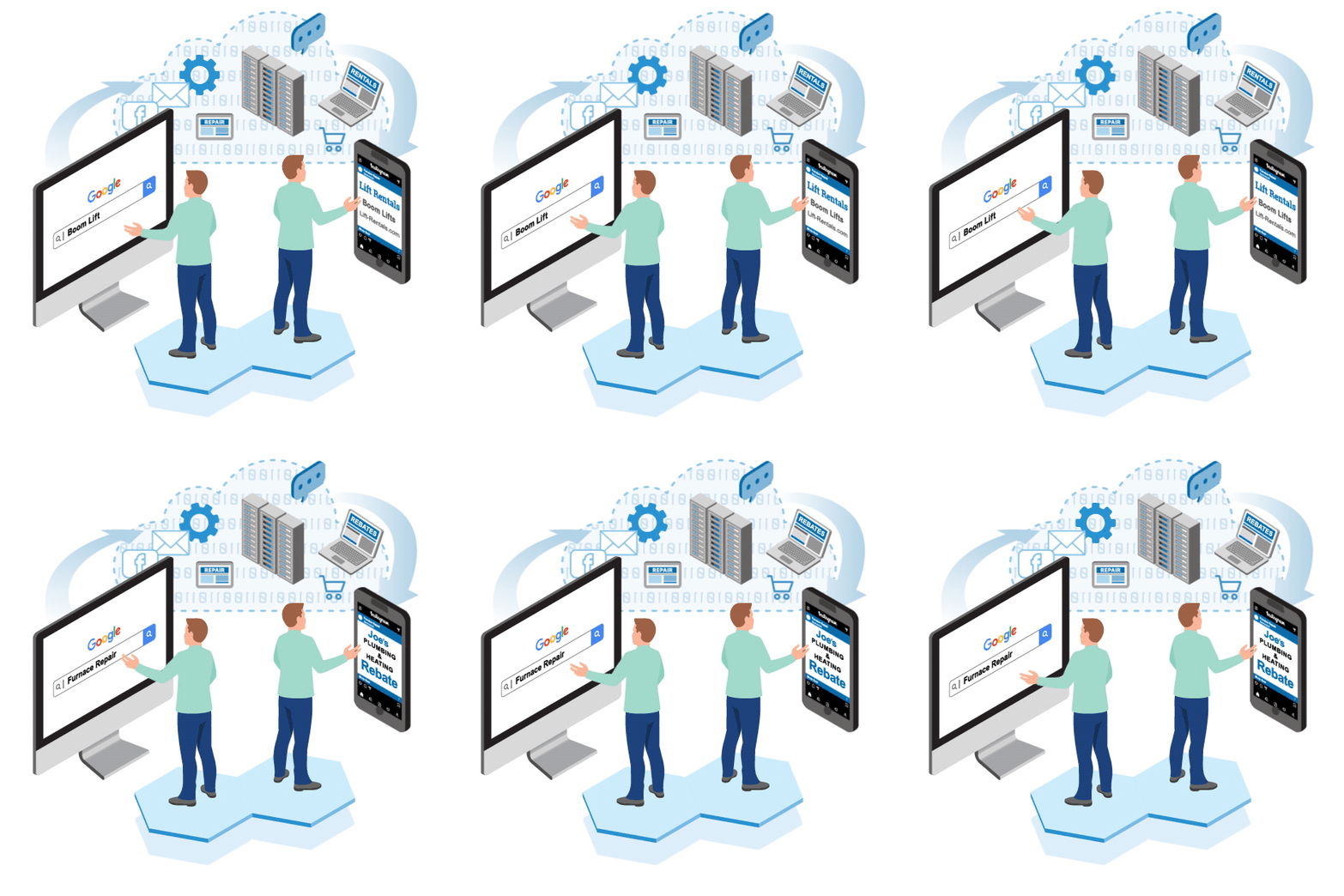
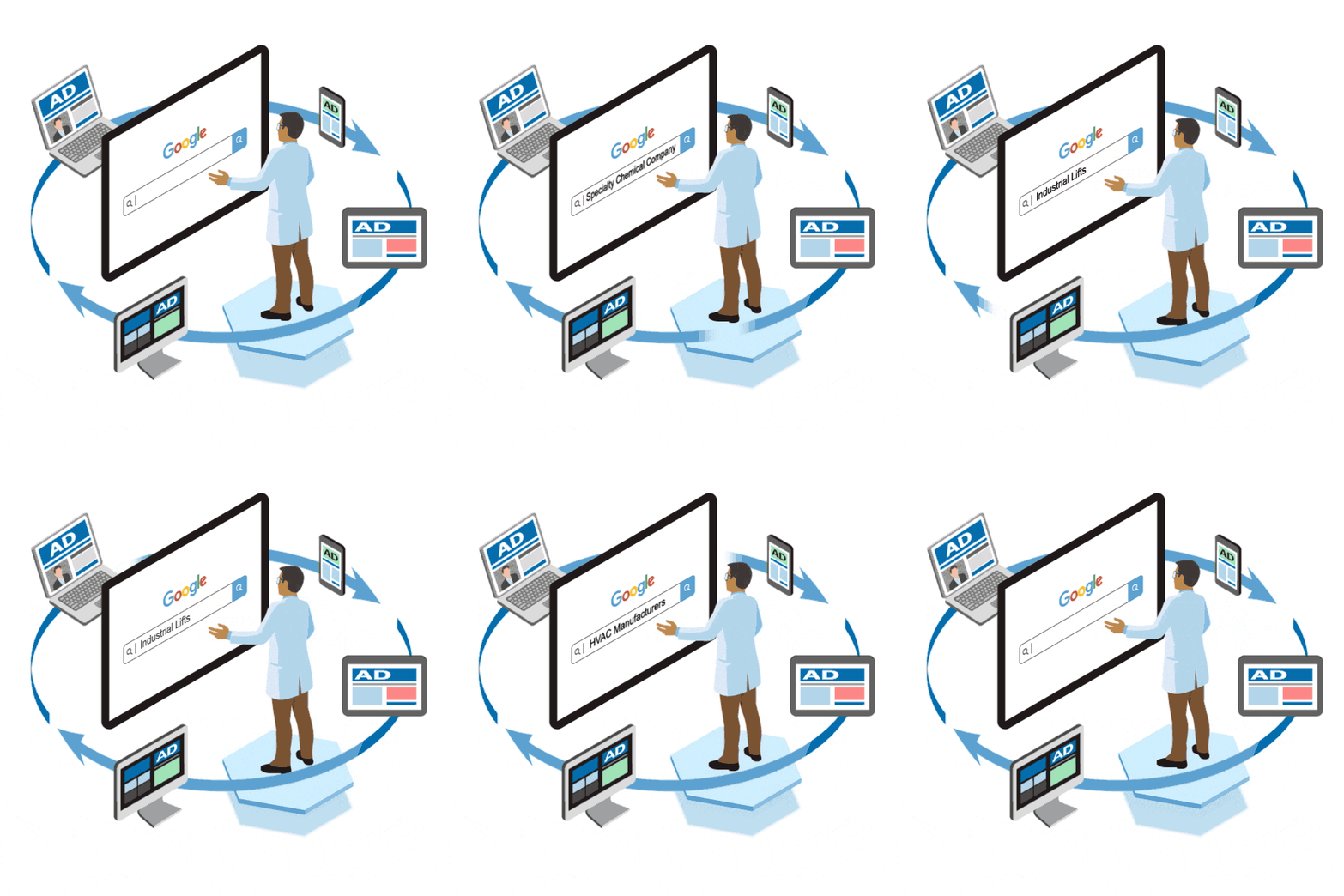
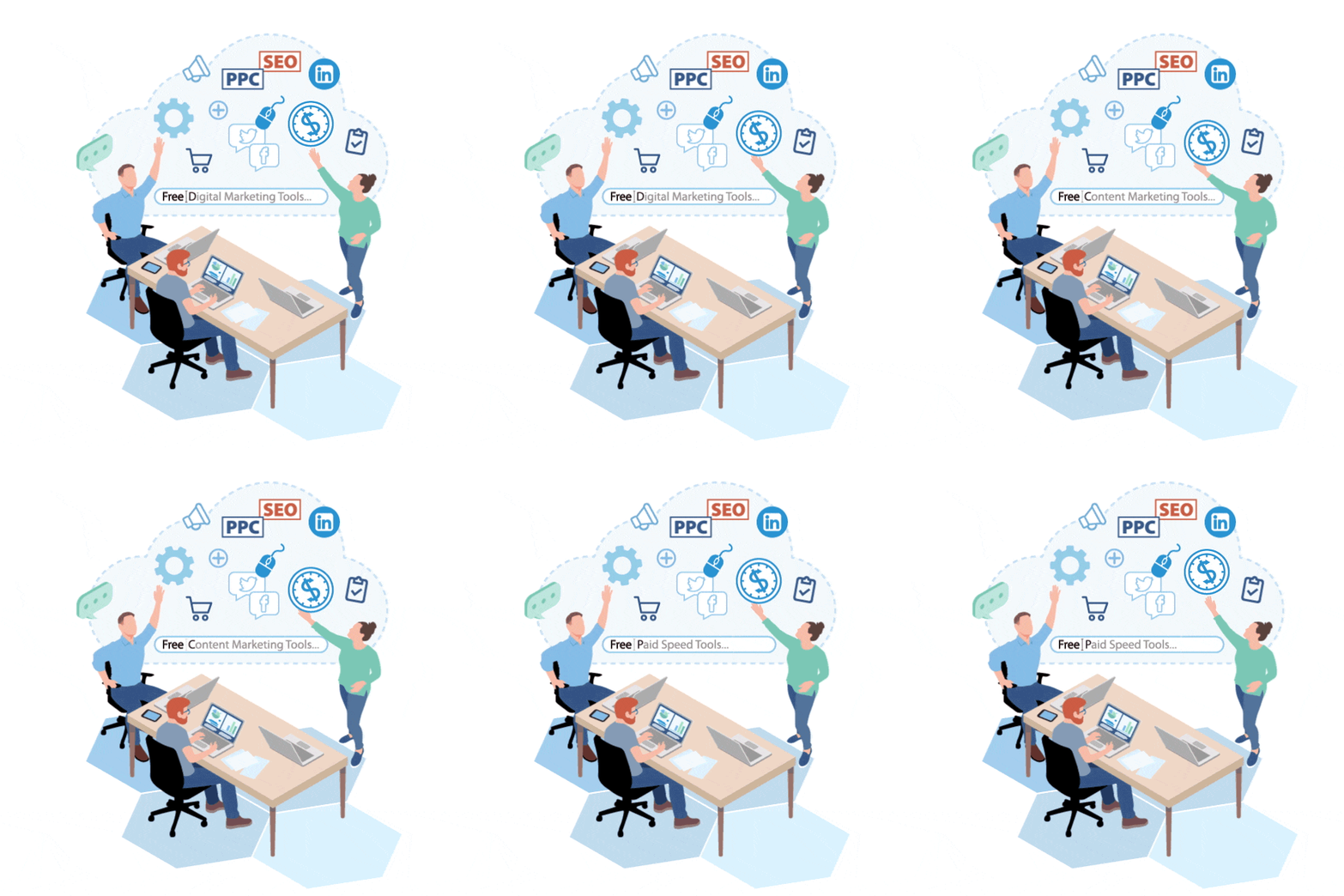
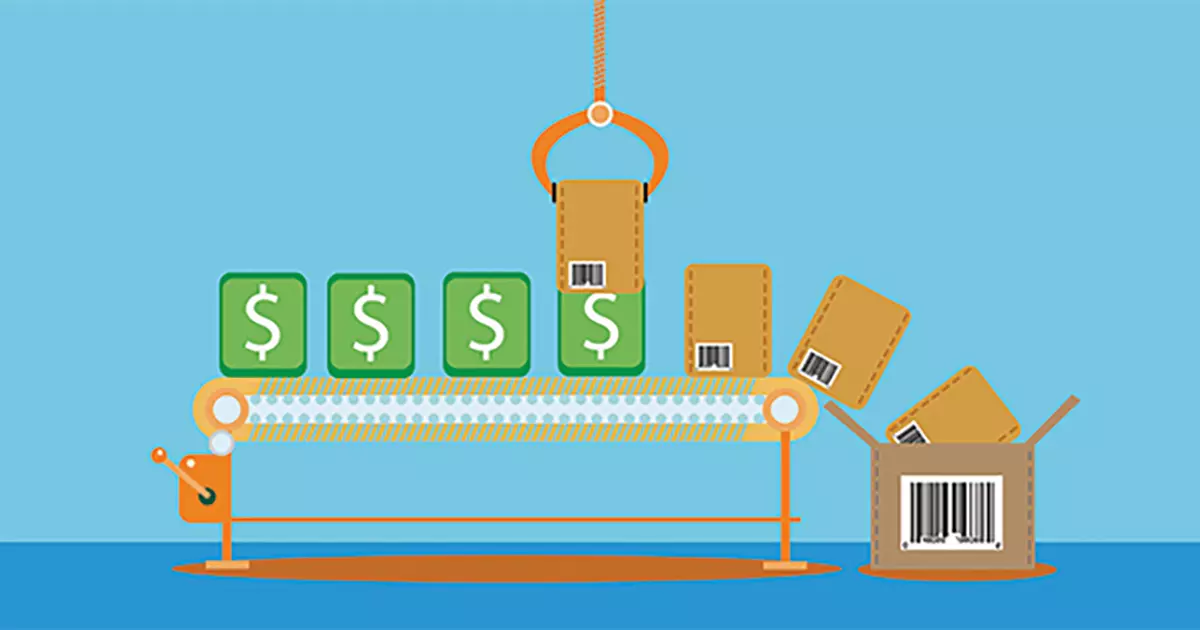
A Media Buyer is responsible for purchasing media space or time, as well as developing the campaign and researching how it will be most effective for the client. Their mission is to find a combination of media that will enable the marketer to communicate the message in the most effective manner possible at the minimum cost.


February 26, 2010 | 12:09pm
|
December 29, 2009 | 9:42am
If you have already read J.Leigh Brown’s post about adapting your thinking regarding social media, but are still not convinced that you should include a social media strategy as part of your 2010 marketing initiatives, please consider the following:
Ten Reasons to develop a social media strategy in 2010
1. Real time search results – Google and other major search engines have incorporated Twitter into the results. You could potentially be bumped in the rankings by an outside party tweeting about your company or products.
2. Reduced marketing spend in 2009 – If budget cuts forced you to go dark in 2009, a social media strategy can help you reconnect with your customers and prospects. ---More---
|
October 27, 2009 | 9:52am
Last week Google announced that they will be including tweets in their search results, and will be building a real-time search that includes Twitter and other providers.
What does that mean to a B2B company looking to optimize their web site for search? While the details of how tweets will be incorporated into Google results are yet to be determined, it is becoming clear that B2B marketers cannot dismiss social networking mediums like Twitter.
The Pew Internet and American Life Project recently released survey results reporting that 19% of internet users now say they use Twitter or another service to share updates about themselves, or to see updates about others.
The Google announcement is yet another reason to consider ---More---
|
June 22, 2009 | 9:08am
Summer has officially started, and while some companies have been taking a “vacation” from their marketing budgets due to the economy, the recovery is in sight according to a recent survey by BtoB Magazine.
If you have not been proactive in promoting your web site, and making sure it is optimized for search engines, now is the time, so that when your customers and prospects budgets open up, they can easily find you. Search Engine Optimization is not an overnight fix; when significant changes are made, it can take several months for the top search engines to effectively crawl and index your site. Nor is SEO a once and done project; it should be an ongoing priority as part of your marketing budget.
Here are some key questions to ask if your site is search engine optimized: • Can you find the site easily? Not ---More---
|
February 13, 2009 | 11:31am
The list of potential media channels that you can use today to reach your customers and prospects can be exhausting. Blogs, wikis, podcasts, vodcasts, social networks, mobile, web portals, webinars, e-newsletters, traditional print magazines, trade shows, RSS feeds, industry web sites, on and on and on.
How do you know which are the right channels to reach your audience? In the B to B market, it varies widely and can change often. Mechanical Engineers in the HVAC market are probably utilizing a different media mix than Interior Designers that specialize in the Healthcare field.
Where do you start? Here are 8 ideas for getting a good handle on where your audience lives online:
1. Check your web site analytics to determine the top referring sources to your website. 2. Utilize sites like www.technorati.com or www.blogpulse.com to search your ---More---
|
December 18, 2008 | 9:46am
Understanding how your audience seeks information at various parts of the buying process is a key factor in determining the right media channels to utilize. While it is not easy or practical to assume everyone in your target market has the exact same motivations and behaviors, there are usually some strong similarities. The Pew Internet & American Life Project has an interesting online quiz, where after ten questions regarding the information technology you use, they can determine what typology group you fall under.
http://www.pewinternet.org/quiz/quiz.asp
I took the quiz, and as it turns out, I was classified as a “Connector.” While I don’t agree 100% with the classification, for the most part it was right. Connectors tend to utilize their cell phones and all of its options quite frequently; they go online to connect with people and manage digital content. ---More---
|
July 25, 2008 | 11:16am
A few weeks ago, I presented a new technology to a group here at Godfrey. I started off by asking if any of them were twittering? A few (mostly under the age of 30) were, but the majority of those in the room had not heard of Twitter. So what is Twitter? It is designed as a service for friends, family, and co-workers to communicate and stay connected through the exchange of quick, frequent "updates". Text based posts or “tweets” are limited to 140 characters and can be sent to the Twitter web site, SMS, to your mobile phone, instant messaging or a third-party application such as Facebook. USA Today recently ran a good article summarizing the history and craze of Twitter. http://www.usatoday.com/tech/products/2008-07-20-twitter-tweet-social-network_N.htm Sounds like another way to stay ---More---
|
May 20, 2008 | 8:53am
The Changing Media Landscape - the notion that the way today’s consumers get their information is fragmented. Today there is a full spectrum of communication technologies, and they are constantly evolving. This new media landscape, applies not only to consumers, but also impacts the B2B market.
This is evidenced by a new study released last week, published by the American Association of Advertising Agencies, and conducted by Ipsos Research, illustrating that America’s business executives are shifting their media habits.
The study found that 70% of the C-Suite received a daily e-mail alert/newsletter in the last ---More---
|
February 13, 2008 | 10:01am
The American Marketing Association recently released a new definition for the word “marketing’. (http://www.marketingpower.com/content2653039.php)
The new definition reads:
“Marketing is the activity, set of institutions, and processes for creating, communicating, delivering, and exchanging offerings that have value for customers, clients, partners, and society at large.”
The previous definition stated:
“Marketing is an organizational function and a set of processes for creating, communicating, and delivering value to customers and for managing customer relationships in ways that benefit the organization and its stakeholders.”
I think the biggest addition to the definition is the word “exchanging”. In this new media landscape of social networks, blogs, mobile and consumer generated ---More---
|
November 9, 2007 | 4:04pm
In the B2B marketing world, now is the time when trade publications are feverishly sending out their annual media kits. We have a 3 foot high stack of them here in our Media Channel Planning office.
While print publications are still a key part of the B2B media plan, and media kits with thoughtfully planned editorial calendars are still important for media planning – in this era of media fragmentation, a set-in-stone media plan doesn’t always make sense.
Consider how your customers are interacting with traditional and new media. Is your message reaching them where they are, when they are looking for information? Following a publisher’s editorial calendar helps make your advertising and PR efforts relevant in a particular issue, but the only thing that should dictate the timing of your message delivery are your customers and prospects. The new 2.0 media channels are much more flexible and adaptable, allowing a B2B marketer ---More---
|