In a perfect web world, your web site landing pages would have great conversion rates. A usability expert, user behavior observations, and qualitative research would be a part of every web design project. You would have hard data to know what works before unleashing your designs.


The reality is most B-to-B marketers don’t have the budgets or time to include this type of testing to optimize landing pages. But this doesn’t mean you should resign yourself to continue blindly driving visitors to your site, not knowing why your landing pages aren’t working or how to fix them.
Getting results from your landing pageIf you’re running a campaign and not seeing results on your landing page, consider A/B testing. Although it has limitations, A/B testing is an inexpensive and relatively simple way to improve your site’s conversion rates. Most importantly, it’s based on actual user behavior, not guesses.
What is A/B testing?In
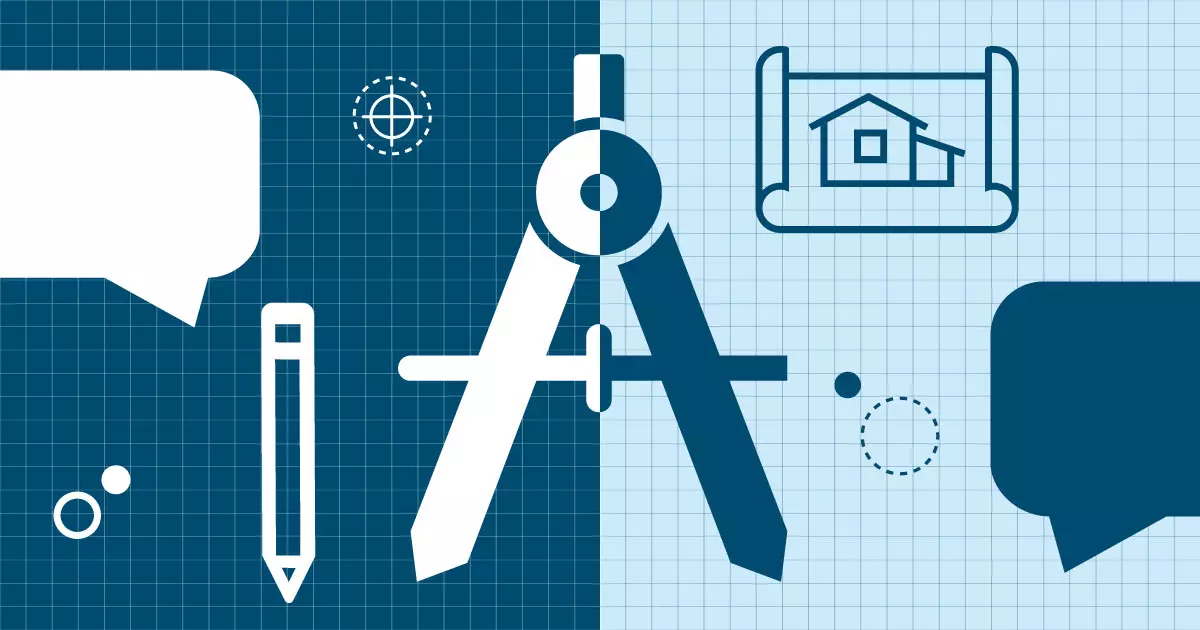
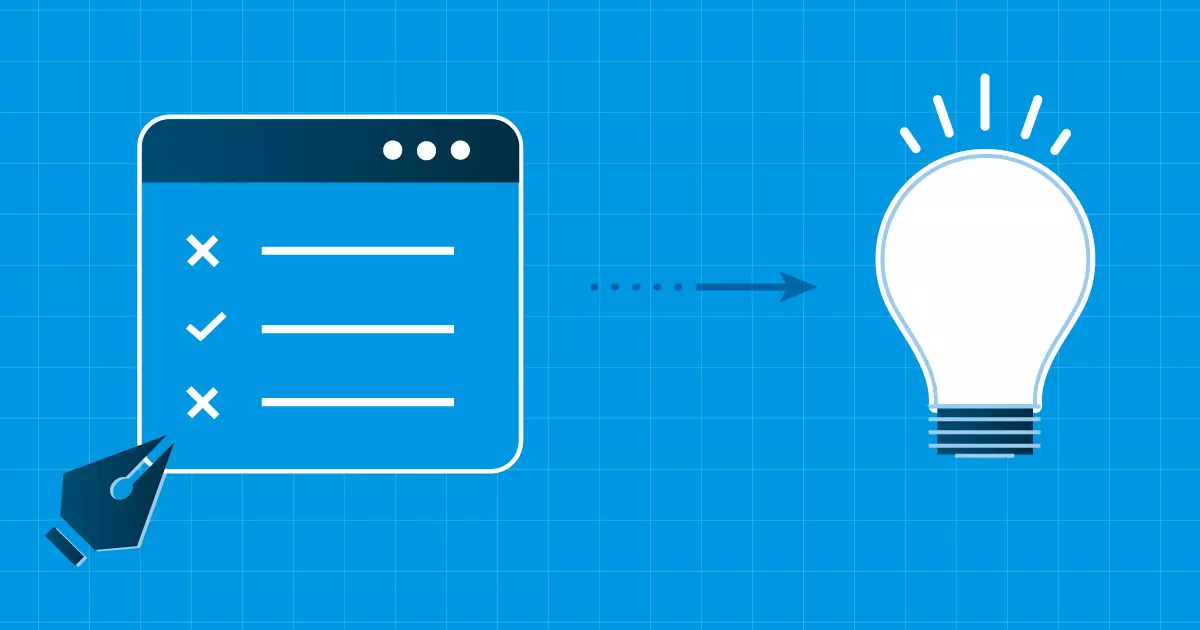
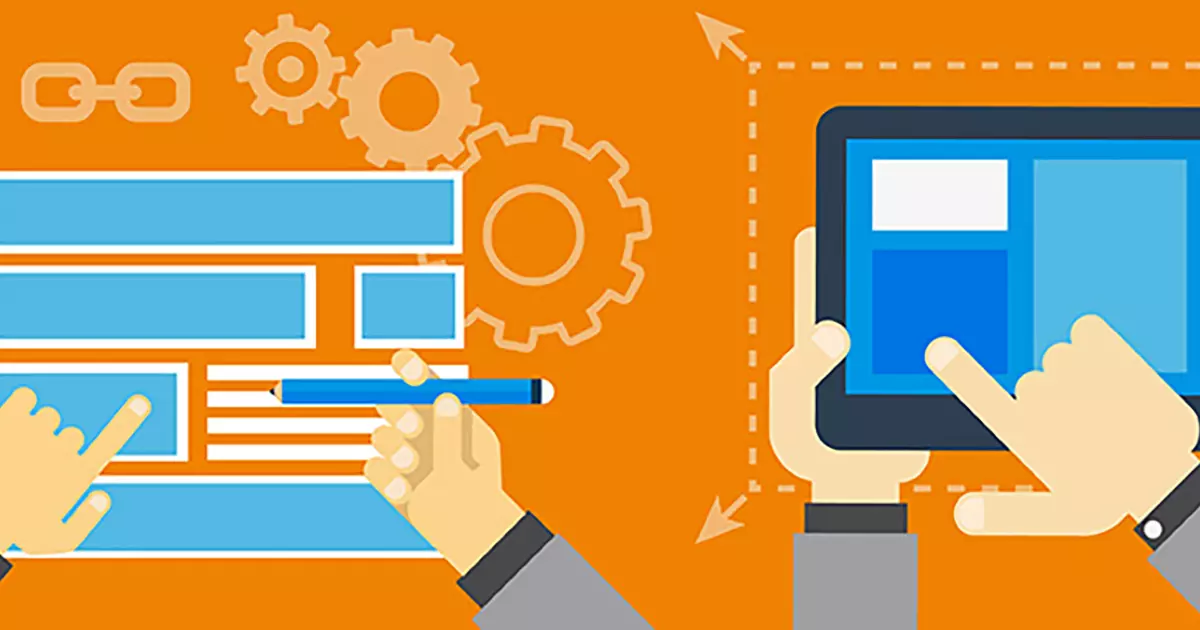
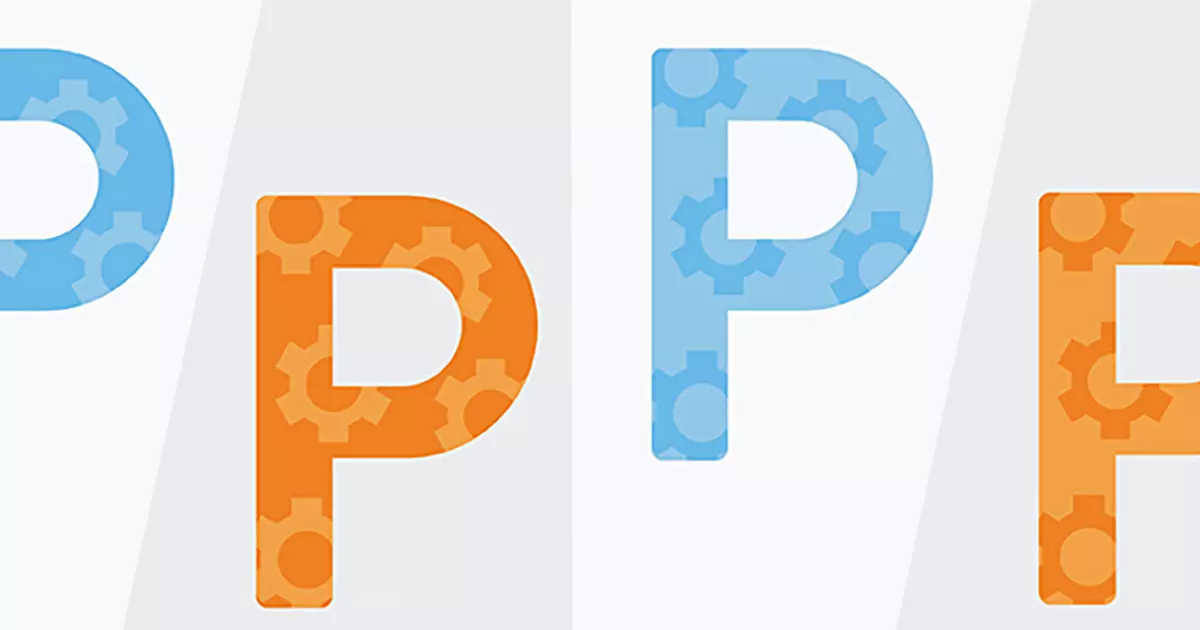
A/B testing, you create two versions of a web page and analyze the activity on the pages to see which one is more effective. You can present each version to half of the users, and see if A or B performs better. Or A can be the primary design (the control design) presented to most users, while B could be a variation tested with a smaller group.
A/B testing is best for a landing page where there is one clear goal (subscribe to e-mail, download a white paper, register to attend). It’s not hard to do, but it does require patience and a methodology. You need to treat the tests like a scientific experiment; make one change at a time. Change too many variables, and you won’t know what made the difference. (Was it the background color? The size of the button?) The downside of A/B testing when compared to user observation research is that you still won’t know
why something worked. But at least you will know
what worked.
Try testing the following elements:
- Copy language – headlines, body copy
- Graphics versus text
- Colors
- Hyperlinks
- Placement on page
- Form requirements
- Call-to-actions and the offer
Although it’s to promote Google’s
website optimizer tool, Google has a helpful video that shows how testing various elements can help increase landing page effectiveness and lead to higher conversions.
The landing page isn’t always to blame.Sometimes a page with high abandon rates might not be because of the landing page design or the call-to-action. A banner, Google ad, however you drew the visitor in, could be the real problem if the page doesn’t pay off the draw. Changing the landing page won’t help if the ad is misleading. Your ad, offer, and landing page all need to work together. (Learn about the
Keys to a Successful SEM Campaign.)
Clicks aren’t the only thing that counts.Even when you improve the landing page design, your ultimate goal might not be measurable. Most B-to-B sites don’t complete the sale online, and one experience on a site probably isn’t going to convince visitors to engage in a sales conversation. So if you’re looking just to have people fill out a form and be contacted by a salesperson you’re bound to be disappointed. Even if you’re measuring success by white paper downloads, remember you may be influencing visitors in other ways. Whether visitors clicked the “right button” or not, you may have improved your brand perception, educated them about your capabilities, or convinced them to consider buying from you in the future. Not all successes are measurable through what a user clicks.
A/B testing won’t give you all the answers, but you will have fewer questions. And if you're putting money into driving traffic to a landing page, then investing a little extra time in making the page work is worth effort.