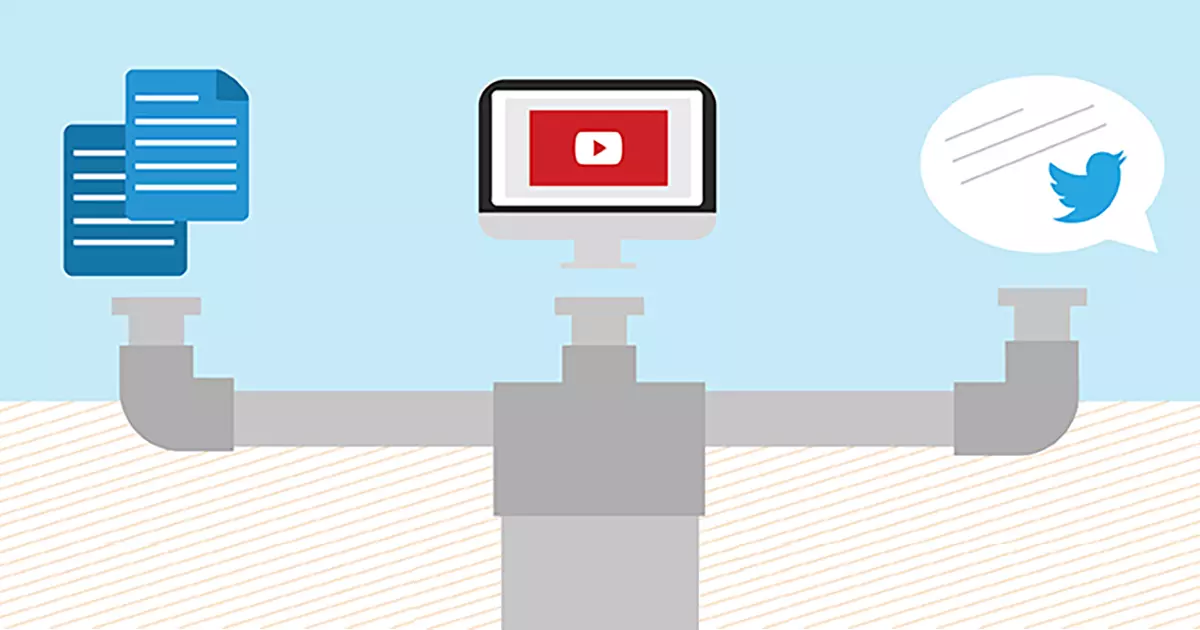
About a year ago we started using the term “Convergent PR” to describe the blend of traditional PR techniques and the new, 2.0/social media PR techniques. I was thinking recently about what I’ve learned since then. Most significantly, it’s that PR and search can – and in most cases should – be integrated in a way that delivers impressive results – results like I’ve never seen before or even imagined possible. We’re seeing that play out for a number of clients.


I also asked some other members of our PR team what they’ve learned about the so-called “new PR.” A sampling of their answers follows, and may provide some things to consider for your own PR program.
Matt Gaffney, PR copy director: Social media/2.0 has evolved as a direct, parallel response to the way our lives and businesses have evolved in the 21st century: fast moving, rapidly changing, instantaneous, and multi-media and technologically-driven ….News and information is delivered utilizing every tool in the modern media toolbox to cast a wide net over a targeted audience. The information is put in their hands, allowing them to decide how, when, and where they want to digest it.
Sarah McCaughey, PR account manager: Long-held methods of assessing the value of PR results (such as column inches and print advertising equivalency) are quickly losing relevance in the 2.0 world. If left unchanged, [this] will falsely reflect a steady decline in "value" of a client's PR results as more and more publications move online, and more and more content is user-generated … It is important for clients to have the ability to gauge the success of their PR efforts, but it is becoming … critical to wean them from traditional PR benchmarks if they want to have the truest read on the pulse of their PR program.
Todd Walter, Senior PR account manager: Many 2.0 PR tactics require a commitment to perpetuate, in order to reach full potential. For example, you can't just say, "We want to do a podcast" or "we want to start a blog" and then produce just one episode or blog just one time. The idea is to engage your audience / customers, so there's an expected commitment there to continue engaging.
Anthony Tornetta, PR account manager: By using a Social Media Press Release (SMPR) … we’re able to reach more media points and more readers in a faster time … But by using an SMPR … we are able to get our client’s story picked up almost instantly by various media outlets both online and in print. We are able to relay our clients’ information to their potential customers at a much faster rate, and allow {clients} to feel like they are part of the action!
Sam Wells, Senior PR account manager: A high-level of success can … easily be attained if {clients} are willing to look beyond long-held relationships with major vendors and explore offerings by more cost-effective, technically savvy competitors. SMPRs are a great example. While some of the top news distribution services offer great products, their well-known brands come with a price. Lesser known companies are springing up and delivering client-pleasing results that get attention.
Those are a few of the things we’ve learned here at Godfrey about the new PR landscape, which btw seems to change a bit every day. What have you learned?