Godfrey Logo
About Us  |  Contact Us  |  B2B Insights Sign-Up SEARCH
Top Right Corner Fade
B2B Insights Blog
Home > Ideas & Insights > B2B Insights Blog > Should You Preserve Your PR Budget?
B2B Insights Blog
January 13, 2009 | 1:52pm

Should you preserve your PR budget in 2009?

I think most marketing managers have heard that it’s unwise to cut advertising activity when the company budget is tight. But what about public relations activity, which is often moved to the back burner in favor of direct lead-generation tactics?  Here are a few reasons why your PR investment still makes sense even with an ultra-tight budget.

1) Your Company Needs a Voice.
Even if budgets are cut, you don’t want your company to “lose its voice.” If your company goes silent, another company will certainly fill the void. Plus, how much “louder” will you need to speak when customers are ready to buy again? If you don’t have the budget for a large advertising campaign (or even a small one), PR is a good way to keep your voice out there in the news media, whether it’s through a basic press release program or even interviews for round-up articles. It can be a cost-effective way to keep your name in front of prospects. Plus, PR can help you reach niche markets where advertising may be cost-prohibitive.

2) Journalists Need Your Help.
Two key ideas apply here. First, journalists are being asked to do more than simply write articles. Now, reporters and editors must maintain blogs, develop podcasts, create online video, feed multiple e-newsletters and post news on the web weekly, if not daily or even hourly. That’s a lot of material to fill.

Second, with a tight economy, we’ve seen publications’ travel budgets and staff being reduced. This means journalists are relying more on good outside sources (e.g. savvy news-generating companies and PR pros) to fill their quota for newsworthy content. This means journalists may be more receptive to hearing from you because they need viable story leads.

3) PR Content is Ideal for Reaching Customers Directly.
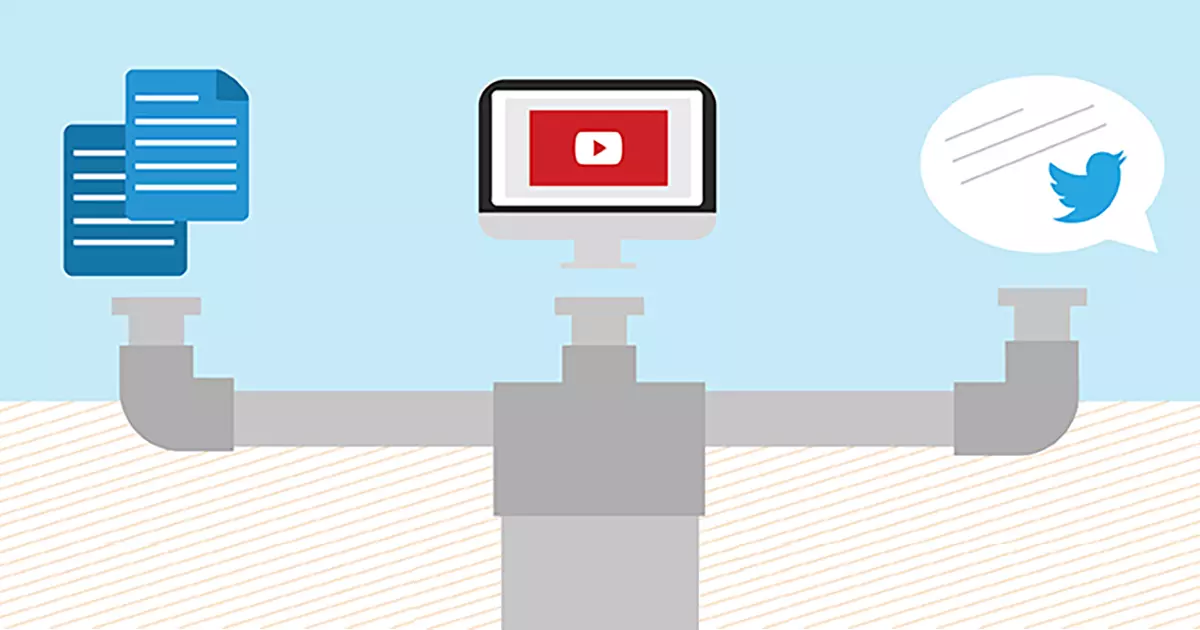
Even if marketing budgets are cut, now is not the time to let your website get stale. The same content you’ve developed for overextended journalists can be adapted for your website to keep it fresh, support your SEO and SEM efforts, and even engage customers directly. Here’s an example: a customer application or technical tutorial story can work as an article, downloadable web content, audio podcast, online video, blog entry and e-newsletter link. And your sales force can use it for direct mail, too.

One last thought… As the new presidential administration begins to implement policy changes, this presents a prime PR opportunity to speak up, join the conversation and contribute as an expert on relevant issues to get your company’s name out there, rather than pulling back on your PR efforts.

Comments
We reserve the right to remove any comments which are obscene, offensive or otherwise deemed inappropriate for this site. Please see our Guidelines for more information.

Post Comment

March 17, 2009 | 2:46pm
Todd Walter writes:
Thanks for the feedback. My posting was not intended to pit advertising vs. PR. In fact, we have dozens of postings on this blog advocating marketing programs that balance advertising and public relations.

Rather, I was emphasizing the value of PR as clients go into the budget-cutting mode.

I agree that magazines are becoming leaner in space. True, if advertising goes away, the magazine shrinks and the opportunity for PR placements drop.

However, in point #3 above, I can't ignore the changing way in which readers get their news - directly from a company and each other. While I'm still a big fan of print magazines (yes, I admit I like to flip the pages by hand), social media is changing that paradigm. My point was that good PR content that provides useful information without marketing fluff is still a high-value offering that can be used to reach the public directly.
March 12, 2009 | 6:06pm
Ad Sales Manager writes:
While I appreciate your comments on maintaining a PR budget, they leave us in the media business quite cold. If advertisers don't support our efforts with paid advertising, we'll simply dry up and go away, leaving no place to host your PR messages. Fewer ad pages mean fewer editors to field PR pitches and fewer editorial pages within which to include PR information. Please try to convince your clients that they should not just use media as free outlets for PR.
March 12, 2009 | 5:56pm
A chief editor writes:
This is good advice from a PR-provider point of view, but there are some limitations.

B2B magazines are experiencing a flood of PR nowadays, and they can't use as much of it as your column seems to infer. As busy as editors are, magazines are leaner, so there's not as much space to fill. And there's a lot of competition for that "free" PR space. Even for Websites and newsletters, over-use of PR sources for content will turn away readers (especially for technical publications).

To be blunt, the "PR Parasites" as we call them -- companies that rely completely on PR or nearly so, can become defacto blacklisted by editors.

While editors with integrity are not providing quid-pro-quo (editorial placements in connection with ads), if there's a space to be filled and the choice is between an advertiser that supports the magazine vs. one that relies on PR, then chances are good the advertiser will get the spot.

It's better to balance media programs with advertising and PR. Thsi might mean using more electronic placements, such as for newsletters, and Website ads. While not as glamorous, it will maintain a healthier relationship with the publications.


Corner Cut      
Bottom Corder Fade   Bottom Right Corner Fade
  RSS  |  Client Extranets  |  Site Map  |  Terms & Conditions  |  Home
© Godfrey     http://www.godfrey.com/404error.aspx