February 5, 2010 | 3:11pm
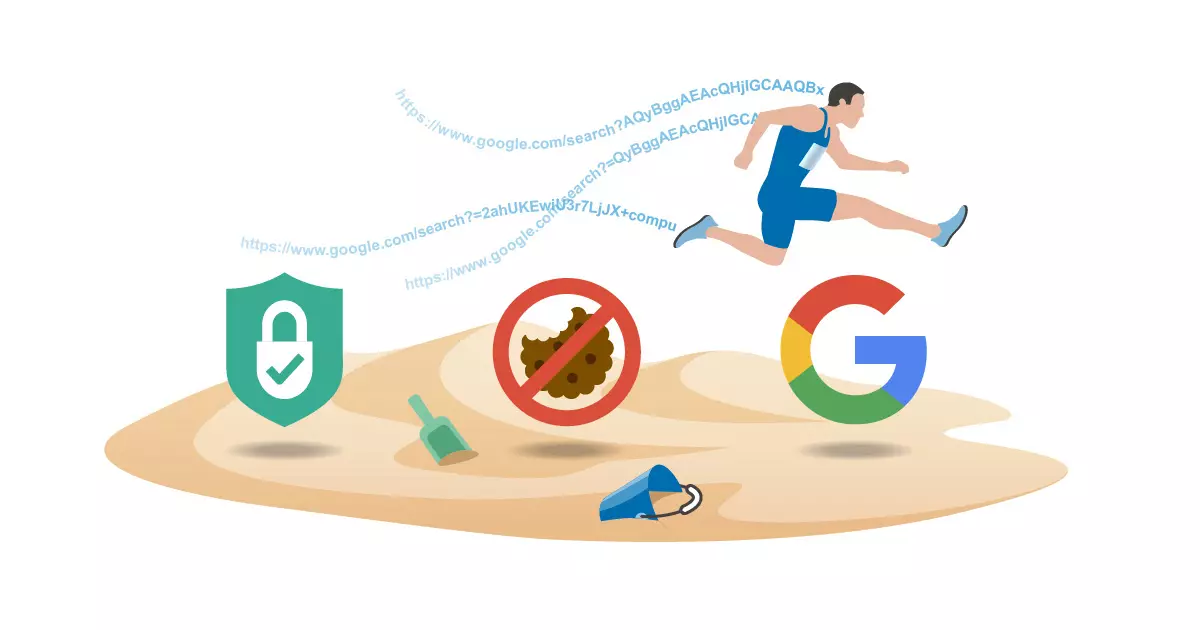
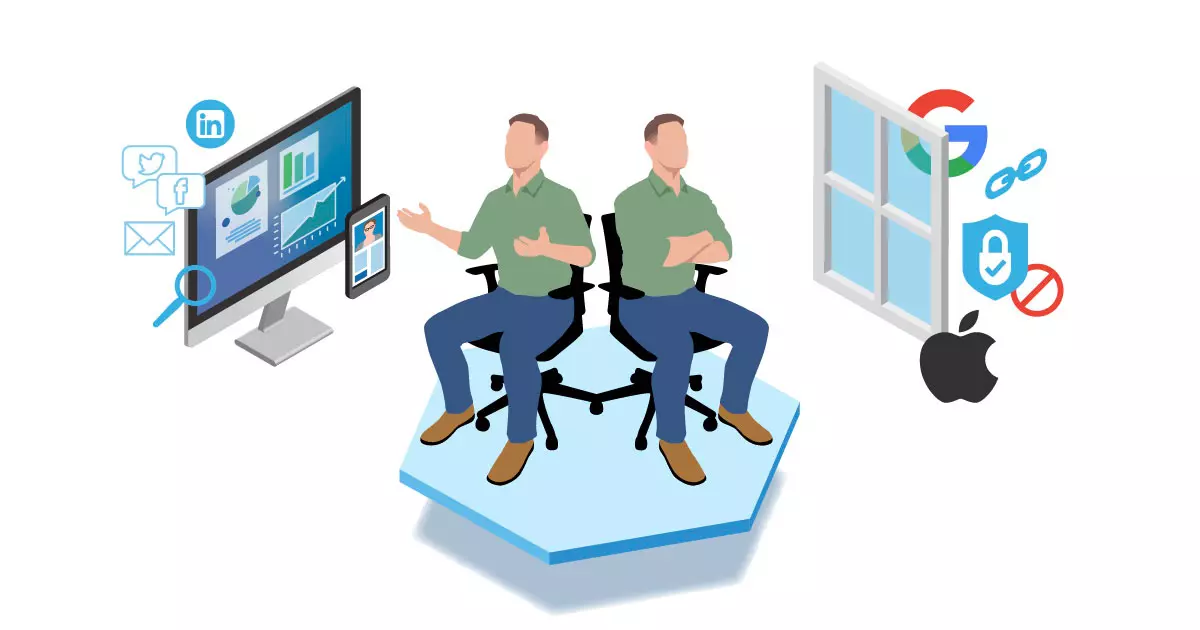
 On December 4, 2009, Google announced that they were rolling out personalized search to everyone, whether you are logged in or not. Your personalization will be based on your past 180 days of search activity, using information stored in an anonymous browser cookie.
Have you noticed personalization yet? If you are unsure, here’s how you can tell if your results are personalized or not. Note: Not all results are personalized.
I ran a Google search for “cars," and directly above the search results there is a link that says “View customizations.” This tells you that the results you are seeing are personalized. So far, I have only noticed the personalization on broad searches.
There are a couple ways to turn off personalization: ---More---
|
January 29, 2010 | 2:15pm
 I remember taking a journalism class back in college where the professor harped on using the same adjectives more than once in a story. He urged us to be more creative to come up with different adjectives, and would even dock points if we duplicated words. Since then, I’ve always had a thesaurus at my desk.
Admittedly, this was before today’s search engine revolution, with its emphasis on keywords. Now, instead of using a thesaurus to help write a press release we turn to the Keyword Tool on Google AdWords, which allows you to test keywords or phrases and see how often they are being searched. You don’t want to select words with poor search results.
This presents a dilemma for many writers who like to use their official company lingo, abbreviations, or even generic wording (e.g., the word ---More---
|
December 10, 2009 | 4:52pm
 In my last two installments on Creating and Maintaining a B2B Blog, I offered suggestions on who should write your company blog, how often you should post and how to develop a content strategy for your blog.
In this third installment of my blogging series, I’d like to make some suggestions on how to promote your blog.
If you are going to invest the time, resources and discipline to create a blog you’ll want to be sure it’s getting read. It is not as simple as, “Build it and they will come.” You’ll need to promote your blog, let people know it exists. Consider all the tactics you can use to announce and then promote your blog including email, your website, search and other blogs. You’ll need to be proactive. Think about active and passive forms of promotion. Here are a few suggestions.
1. Start with your company website. Make sure there is a link to your blog somewhere on your site, or multiple pages if relevant. ---More---
|
October 7, 2009 | 9:16am
 Bing, Microsoft’s new search engine, has been supported by a generous advertising budget and drawn some interest from a variety of sources. But how does it affect business-to-business?
Do we have to create new pages or even entirely new sites, as some have suggested? We may not know the definitive answers for some time. But right now, it looks as if the answer is no.

Microsoft own position is that good content, appropriately coded, will do well in Bing. Assuming then, that B2B marketers will not need to take extra programming or content steps to take advantage of Bing, how will B2B audiences react? Will they be lured away from Google by Bing’s nifty new features, including categorized search, quick tabs and related searches? The jury is still out on that point. ---More---

|
August 3, 2009 | 8:23am
 A recent article in emarketer cites a study of senior-level search engine marketing executives who are not satisfied with how SEM is working for them. How about you?
As you plan for 2010, you should consider techniques and tactics that will help you get more and better B2B search results - organic, paid or both. You probably think I'm going to talk about landing pages, page URLs, meta descriptions, inbound links and other arcane tips. Nope. I will leave that to my colleagues, or at least to another time.
Today I want to urge you to use the "secret weapon" that will increase your search engine marketing results. It's called integrated marketing communications. Yes, boring, traditional marcom. Except that there is nothing traditional about web-centric, digital marketing communications the way we practice it. ---More---
|
June 22, 2009 | 9:08am
 Summer has officially started, and while some companies have been taking a “vacation” from their marketing budgets due to the economy, the recovery is in sight according to a recent survey by BtoB Magazine.
If you have not been proactive in promoting your web site, and making sure it is optimized for search engines, now is the time, so that when your customers and prospects budgets open up, they can easily find you. Search Engine Optimization is not an overnight fix; when significant changes are made, it can take several months for the top search engines to effectively crawl and index your site. Nor is SEO a once and done project; it should be an ongoing priority as part of your marketing budget.
Here are some key questions to ask if your site is search engine optimized: • Can you find the site easily? Not ---More---
|
March 27, 2009 | 4:11pm
What Search Can – and Can’t – Do
Our friends at Enquiro recently published an article making some cogent points about search.
On the one hand, it’s exciting to see search, including SEO (search engine optimization) and SEM (search engine marketing) flourishing as a marketing option. On the other, it’s alarming to see so many people jumping into an admittedly-sturdy lifeboat in a raging sea.
Rather than seeing search as a marketing channel, Enquiro suggests, we should view it as a connector, connecting interested prospects and customers with your place in cyberspace.
A similar article in Ad Age compares search to trade or in-store promotion. ---More---
|
February 10, 2009 | 11:04am
 B-to-B marketers are looking for the most efficient ways to use dwindling marketing dollars. As the economic situation worsens and marketing budget cuts continue, the tactics to survive are the ones that are highly measurable. And more importantly, show an ROI. It’s no surprise that search marketing and search engine optimization are still a part of b-to-b marketing plans.
In 2008, only online video ad spending grew faster than search. Recent reports show that search marketing spending is slowing, but still dominates marketing budgets. (U.S. search ad spending is predicted to grow 14.9% in 2009, compared with 21.4% in 2008.)
However, in this weakened economy, b-to-b markerters are still looking for ways to minimize their investment, even in search-related efforts. ---More---
|
February 5, 2009 | 2:14pm
It’s always been an article of faith here at Godfrey that B-to-B search is fundamentally different than the “normal” or B-to-C variety. Almost every day I find yet another illustration of just how different things are.
I recently read an article published by search consultant Enquiro, entitled “B2B Keyword Research When You’re in a Niche Market/Industry.” It was filled with the research-laden information Enquiro dependably provides in its many publications about search.
One comment stuck out at me, however: under issue No. 2, describing things to avoid, the company wrote, “Using industry jargon that people may not be aware of. Marketers are the worst for this are they not? We continue to see this all of the time. ---More---


|
December 8, 2008 | 11:07am
According to a study reported in the online edition of B-to-B magazine, display ads on the web have a positive impact on search activity, improving clicks for organic and paid search by 155% on average, depending on the industry.
The study by Specific Media, an online media distribution company, analyzed comScore Ad Effectiveness data over a 12-month period. While the study was largely consumer-focused, there’s no reason to believe the results would be different for b-to-b or industrial marketing.
And while not conclusive, it gives credence to the theory that online display advertising has a branding impact.
In our experience, search, both organic and paid, routinely enjoys significantly better performance than other online media, as measured by click-through rate, time on site, pages viewed, bounce rate, ---More---
|