July 23, 2008 | 3:46pm
Back to basics (Melissa Zane)
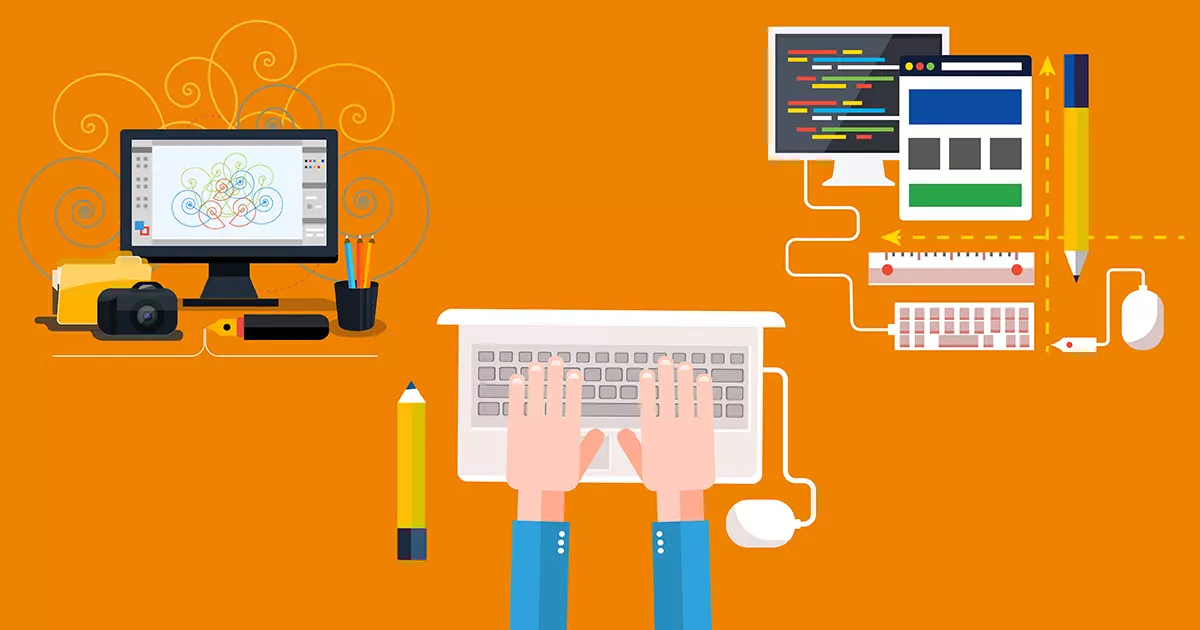
 Go back to basics when working on ideas--remember the pencil? Should be a no-brainer. When brainstorming ideas, start by using your pencil. The computer is a tool, not the way of coming up with ideas. For pencil facts visit: http://www.coolquiz.com/trivia/explain/docs/pencil.asp


|
July 23, 2008 | 8:54am
What is creativity? I would love to hear everyone's opinions on creativity and what you feel is creative from a B-to-B perspective? Wikipedia's definition: " Creativity (or "creativeness") is a mental process involving the generation of new ideas or concepts, or new associations of the creative mind between existing ideas or concepts." I believe that what is highly creative starts with a big idea--which encompasses a simple powerful message, well written, a powerful image (if applicable), is memorable, has a strong call to action, and allows the end user to complete a thought effortlessly. The big idea -- when integrated across the traditional and 2.0 landscape, with the ability to attract attention, interact, and engage an audience where they live, in a program -- is so exciting. ---More---
|
June 27, 2008 | 9:48pm
Inspiration can come from anywhere, and the spark of an idea can come from anyone. Not long ago, I was part of a team that needed to come up with a positioning ad campaign for one of our clients. Our account manager reviewed the situation with our creative team. Towards the end of his review, I remember him saying, "OK, and here are a few of my stupid thoughts and ideas...." Then he continued to rattle-off several things. One of his so-called "stupid ideas" really stuck in my head. So much so, I spent hours one weekend working on taking that idea—and several others—to the next level, showing how they could work in a series. During our next team meeting, the creative folks and I presented the ideas, and then built upon those ideas, making them stronger and stronger. There is nothing I find worse than a so-so idea that looks good. ---More---
|
March 18, 2008 | 9:38am
 I’m back in the creative seat again. I volunteered to step in and head our creative staff after we agreed Jim Everhart, my predecessor, should spearhead our hyperintegration efforts. I’m looking at things from a slightly different perspective now – a perspective of someone with a lead “creative” title and responsibilities. As I remove my account manager hat, something strikes me. We creative folks have more tools at our disposal – blogs, podcasts, email marketing, and the list goes on. Our primary function has always been to think of new and unique ways to tell our client’s story, demonstrate a benefit and craft compelling ways to reach out to a marketer’s various constituents – engineers, channel partners, integrators, other influencers and ultimately, end-users. Sure, we still need to apply our traditional creative skills, but we now have these new, exciting tools at our disposal. ---More---
|
February 20, 2008 | 9:05am
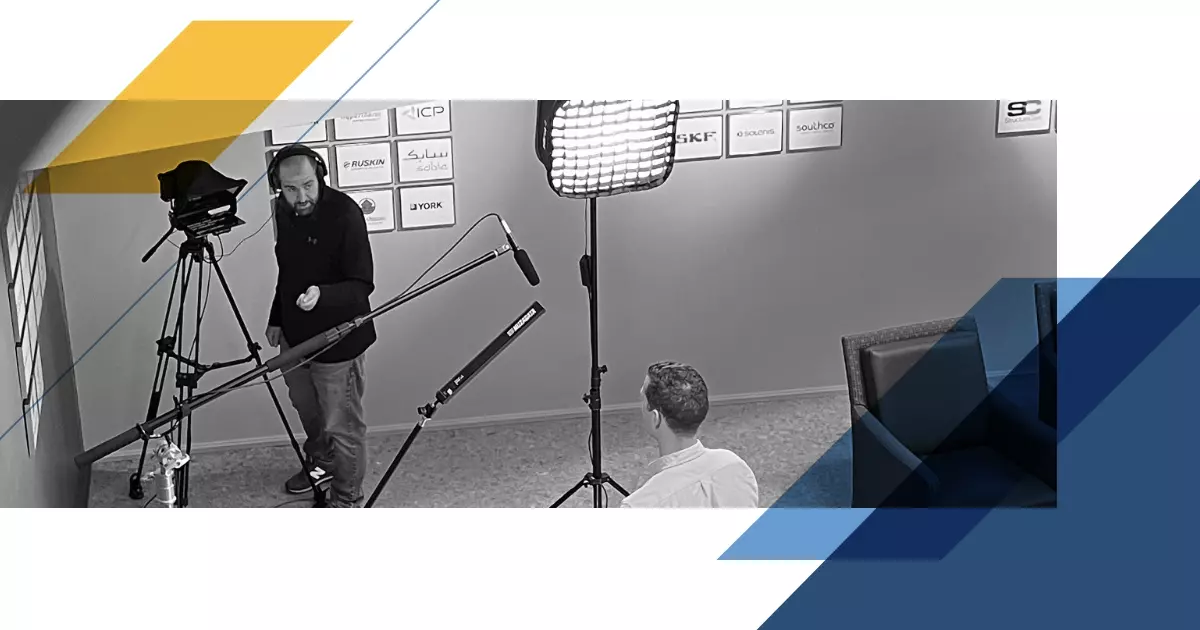
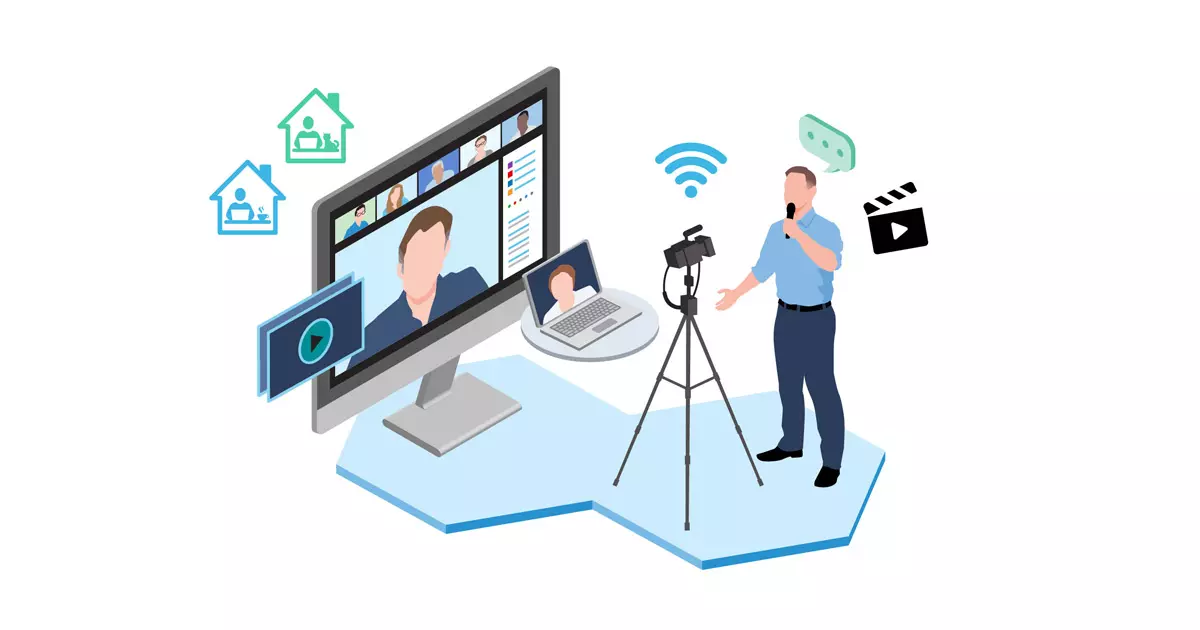
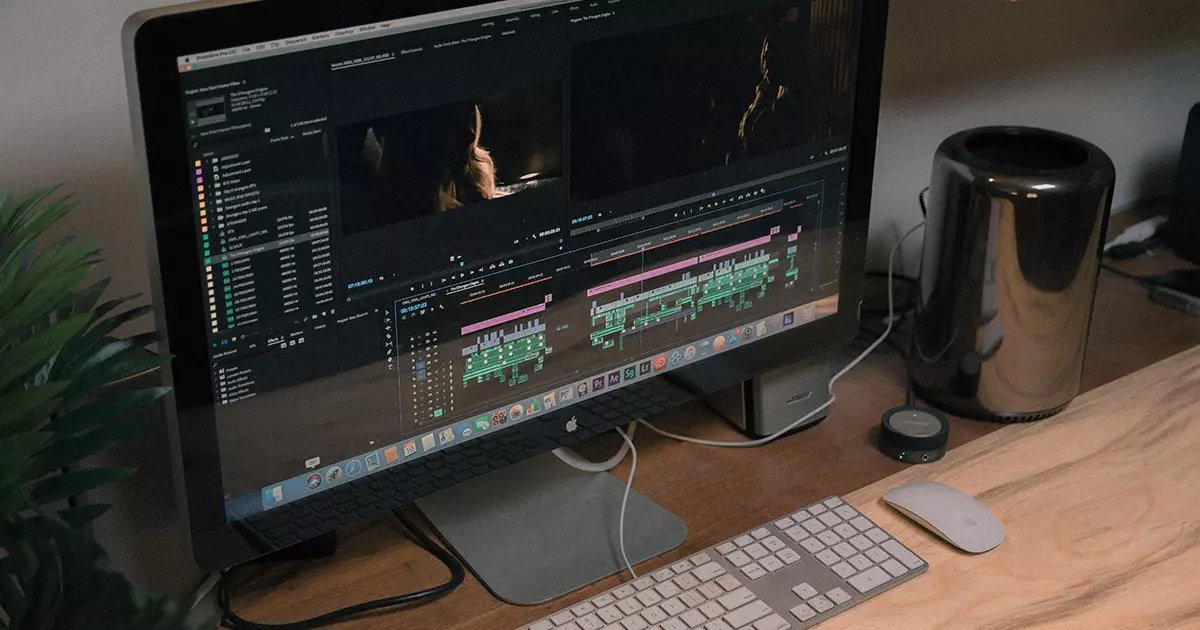
 With the explosion of video on the web -- videoblogging, vidcaps, vodcasts, and mash-ups -- any B2B marketing program should consider greater use of these new media tools to help tell the story. To help guide you with your new media videos, I offer these thoughts: 1. Don't do-it-yourself. You get one chance to make a first impression, and a poor online video viewing experience can turn off viewers. You can't imagine the mistakes that are possible just from capturing sound and lighting issues alone. 2. Give some serious consideration about the best ways to re-purpose your video for multiple uses. 3. Talking heads can get really boring, really fast. Include a variety of graphic elements to keep the viewer interested. Think 3D, animation, special visual effects, scene changes, interesting backgrounds and above all an interesting script. Shoot some "B" roll footage that you can use between scenes. Keep dense text off the screen. ---More---
|
February 18, 2008 | 3:29pm
 In the Internet age, consumers like to comparison shop. Help them make better decisions with a robust Web site.
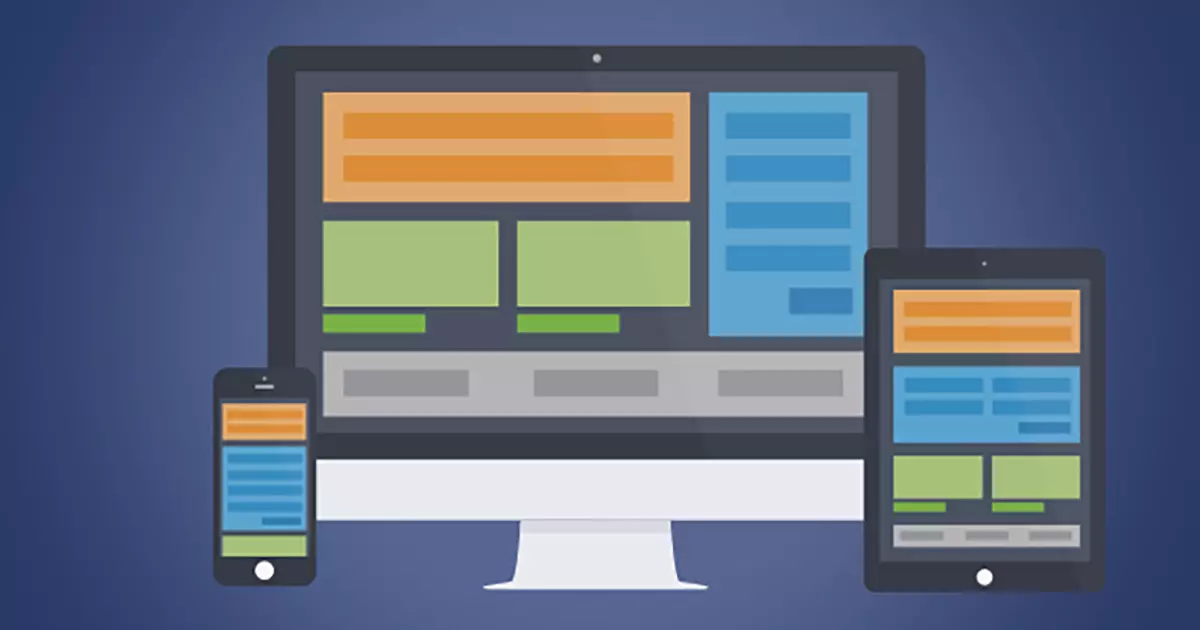
Today, when most people want information, they go to the Web – to educate themselves, to look for solutions or to compare companies and products. Often they may be ready to buy, based on the information they find. That’s why it’s so important to design a Web site that includes all the information customers need at any stage in the buying process.
Your Web site is your electronic storefront and as such, it should accomplish three things. First, it should be easy to locate. You can invest thousands of dollars on the best Web site in the world, but if you don’t drive traffic to it, the site won’t do you much good.
Second, your Web site should position your ---More---
|
November 12, 2007 | 9:51am
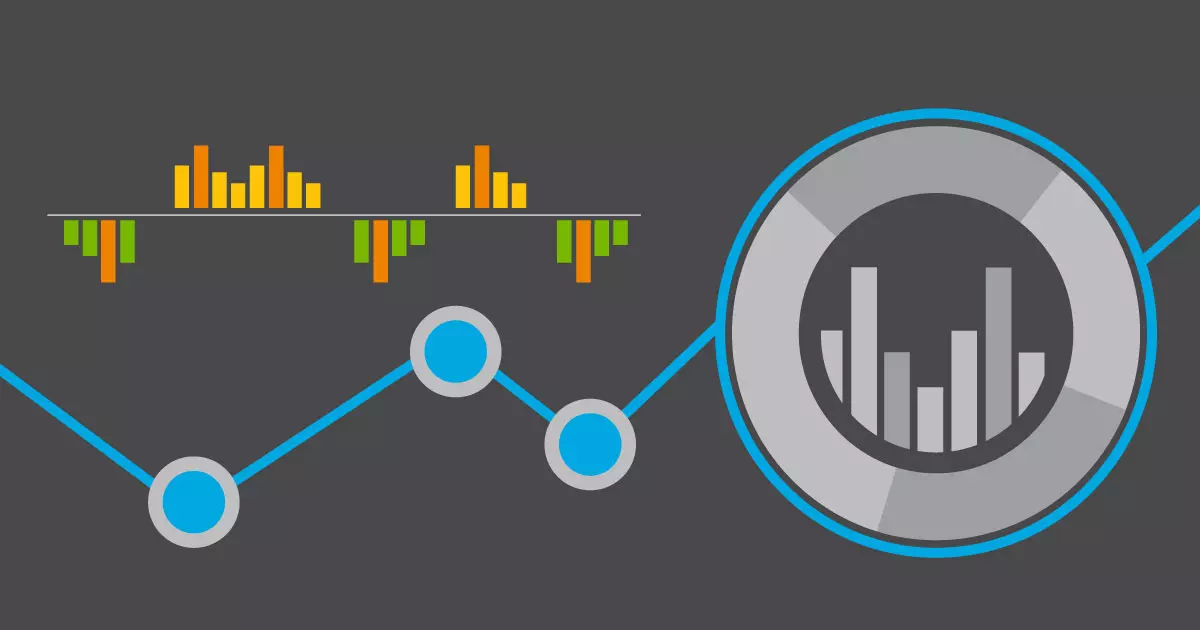
 Web 2.0 has presented us with a dazzling array of new communications tactics we can use to reach B-to-B audiences. It has also added an equally impressive assortment of measurement capabilities. Where we once may have had a handful of print ads, direct mail pieces, brochures, and press releases in an integrated program, we might now have dozens of online ads, scores of Google Adwords, and an e-mail program to thousands of recipients, all segmented by interest. And where we had 800 number phone calls and bounce-back cards returned, we now can count impressions, clicks, open rates, delivery rates, conversions, and search ratings. It’s not an overstatement to say that we’re in danger of being overwhelmed by all the data. John Wanamaker’s desire to know “which half works” could seem even further away than ever. But out of this concern comes a huge opportunity for marketing. ---More---
|
November 5, 2007 | 2:59pm
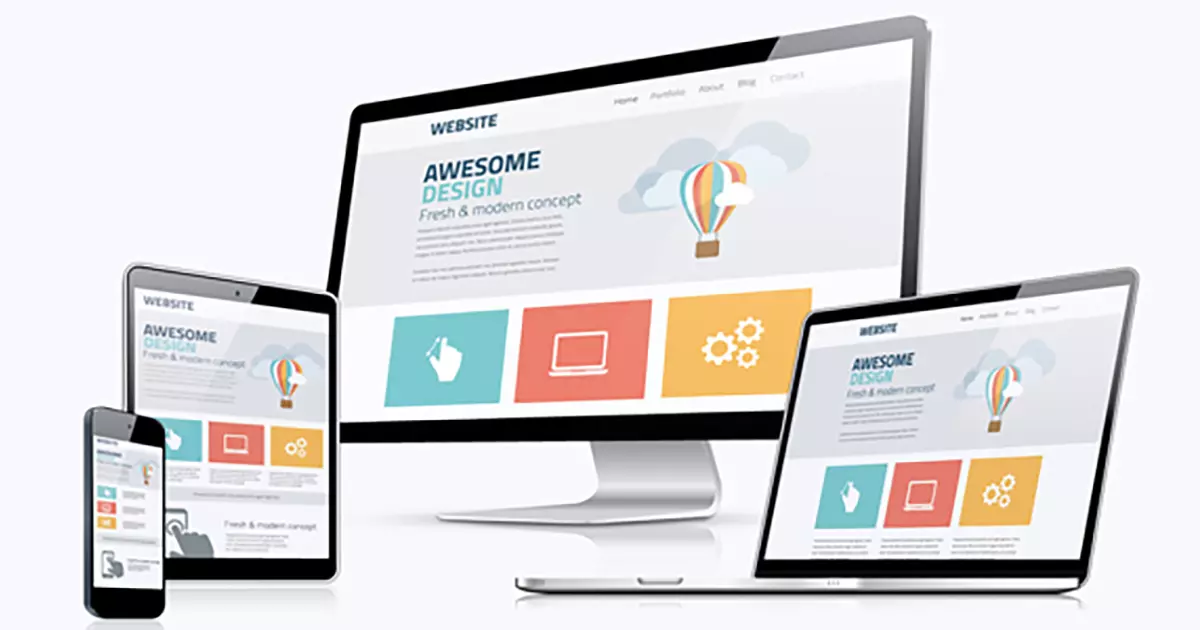
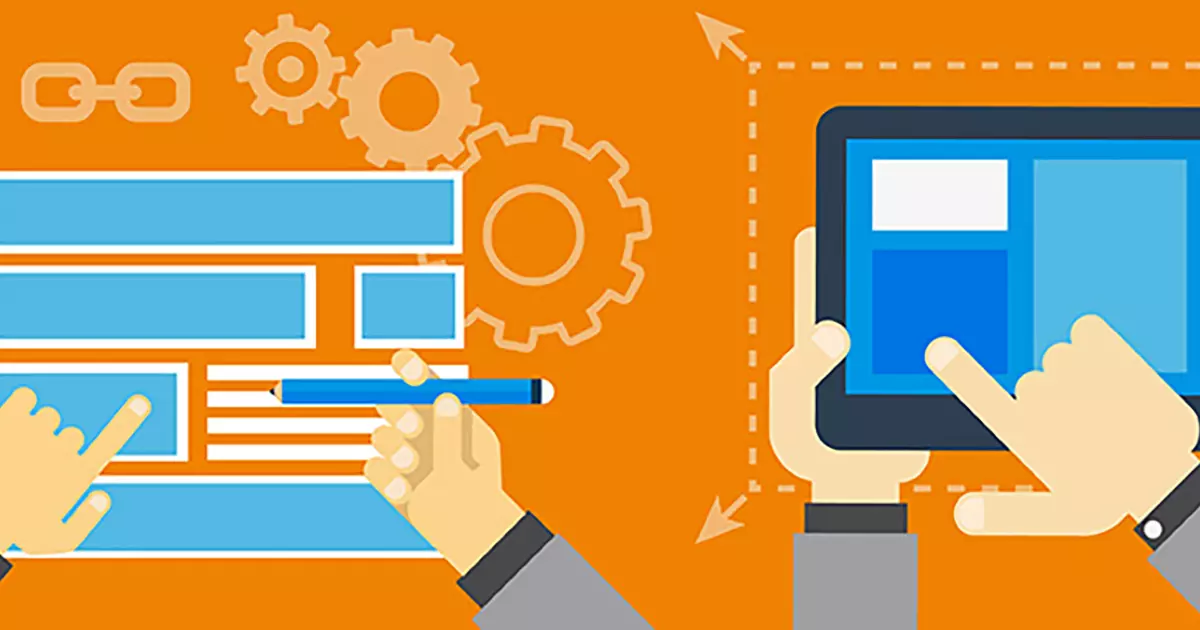
So you want to design a website?
Remember, designing a website is not just about how it looks. Also keep in mind who you are designing the website for. Is it for you and your company, or is it for the users (potential and existing customers)?
Don't just make your website look pretty and forget about the user. Otherwise your users may get annoyed and forget about you.
|
October 25, 2007 | 12:52pm
Online Ads (Melissa Zane)
Ah, online ads. Annoying? Or do they make you want to click and learn more? I guess it all depends on how you look at it. Or how you write and design it. The easy part of an online ad program is the ad itself. You need to figure out your strategy, create landing page(s), develop your offer if one hasn't already been created, plan how you are going to measure the results, and how you are going to review and revise the program after finding out the results. It is what we call continuous improvement. Here are a few tips and questions to ask yourself when designing your online ads: - What will interest someone to look and click on your ad in one second? - Is the design getting in the way of the message? - Does the ad need to animate, should it be video or should it be static? - Is your ad readable? - Does your ad need images or should it be typographic only? ---More---
|
September 17, 2007 | 1:42pm
I don't care how good your message is, or how good everything looks. People don't have time to figure out what you are trying to say or sell. Originally trained in print, I no longer believe print is the sole means of connecting with your audience. In fact, sometimes I don't recommend print at all. You have to consider who the audience is, and what is the best way to connect with them. How does your audience get information/how do they receive information? What interests your audience, etc.? For example, if you were only to create a print ad for your client, it may be a waste of their money. Drive the audience to a destination/landing page created specifically for that message, to generate interest. Of course you could drive the audience to your existing Web site, but make sure the content and design connects with the message in the ad. Consider what you want to have happen. ---More---
|