Godfrey Logo
About Us  |  Contact Us  |  B2B Insights Sign-Up SEARCH
Top Right Corner Fade
B2B Insights Blog
B2B Insights Blog
design
July 1, 2009 | 2:13pm
Less Requires More (Scott Trobaugh)

When getting to know other design professionals, I often like to ask a version of "So, what do you do?" Since we all know — in the broad sense — what each other does, I tend to skew the question more toward the "how". "Tell me about your design style," is an invitation to discuss one's work, creative philosophy and tastes. Overwhelmingly, I hear people use the terms "simple" and "clean" to describe their ideal layouts.

Simple, clean designs are often the most clear way to communicate a given idea. A place for everything, everything in its place, with an effective rhythm and hierarchy to the elements on the page can really make a message sing. On its own, this fact is enough to make any communicator set "Simple" as their goal. Another reason is that, in our modern marketplace, with its cacophony of garish printed and electronic messages vying with our own thoughts for our valuable attention, a well-organized, well-planned, simple page becomes a visual
---More---

July 23, 2008 | 3:46pm
Back to basics (Melissa Zane)
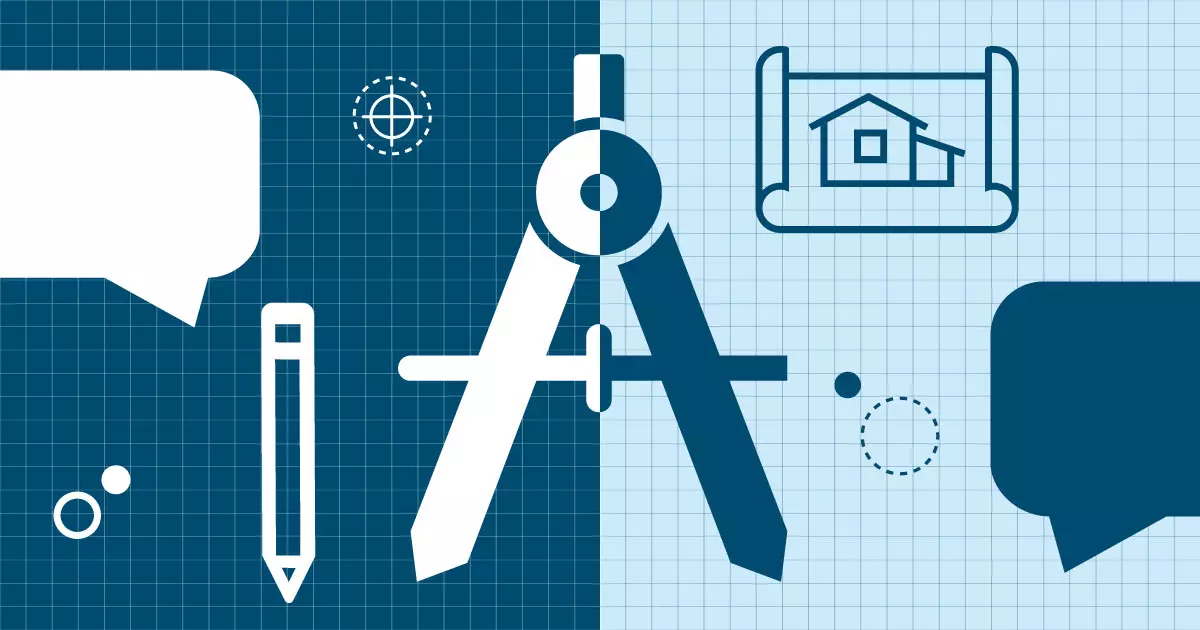
Go back to basics when working on ideas--remember the pencil? Should be a no-brainer. When brainstorming ideas, start by using your pencil. The computer is a tool, not the way of coming up with ideas.

For pencil facts visit:
http://www.coolquiz.com/trivia/explain/docs/pencil.asp
March 3, 2008 | 8:57am

Once you get customers to your site, make sure it’s a site you’re proud of. Keep it clean and uncluttered. First impressions are important and provide opportunities to immediately engage visitors with information that meets their needs.

Begin by providing a brief description of who you are, including the products and services that you offer, along with language that relates to the visitors need or problem. Don’t give people a reason to leave your site too early. Addressing their “pain issues” up front rather then burying them deeper in your site will encourage visitors to stay longer. Avoid industry speak, and keep your history and mission statement off the home page, reserving this valuable real estate to tell visitors how you can help them. Make the site easy to navigate and the source of relevant content that is short, simple and to the point.
---More---
February 18, 2008 | 3:29pm

In the Internet age, consumers like to comparison shop. Help them make better decisions with a robust Web site.

Today, when most people want information, they go to the Web – to educate themselves, to look for solutions or to compare companies and products. Often they may be ready to buy, based on the information they find. That’s why it’s so important to design a Web site that includes all the information customers need at any stage in the buying process. 

Your Web site is your electronic storefront and as such, it should accomplish three things. First, it should be easy to locate. You can invest thousands of dollars on the best Web site in the world, but if you don’t drive traffic to it, the site won’t do you much good.

Second, your Web site should position your
---More---

November 5, 2007 | 2:59pm
Web site design note (Melissa Zane)
So you want to design a website?

Remember, designing a website is not just about how it looks. Also keep in mind who you are designing the website for. Is it for you and your company, or is it for the users (potential and existing customers)?

Don't just make your website look pretty and forget about the user. Otherwise your users may get annoyed and forget about you.
October 25, 2007 | 12:52pm
Online Ads (Melissa Zane)
Ah, online ads. Annoying? Or do they make you want to click and learn more?

I guess it all depends on how you look at it. Or how you write and design it. The easy part of an online ad program is the ad itself. You need to figure out your strategy, create landing page(s), develop your offer if one hasn't already been created, plan how you are going to measure the results, and how you are going to review and revise the program after finding out the results. It is what we call continuous improvement.

Here are a few tips and questions to ask yourself when designing your online ads:
- What will interest someone to look and click on your ad in one second?
- Is the design getting in the way of the message?
- Does the ad need to animate, should it be video or should it be static?
- Is your ad readable?
- Does your ad need images or should it be typographic only?

---More---
September 17, 2007 | 1:42pm
Stategic Creativity (Melissa Zane)
I don't care how good your message is, or how good everything looks. People don't have time to figure out what you are trying to say or sell.

Originally trained in print, I no longer believe print is the sole means of connecting with your audience. In fact, sometimes I don't recommend print at all. You have to consider who the audience is, and what is the best way to connect with them. How does your audience get information/how do they receive information? What interests your audience, etc.?

For example, if you were only to create a print ad for your client, it may be a waste of their money. Drive the audience to a destination/landing page created specifically for that message, to generate interest. Of course you could drive the audience to your existing Web site, but make sure the content and design connects with the message in the ad. Consider what you want to have happen.
---More---
March 12, 2007 | 1:13pm
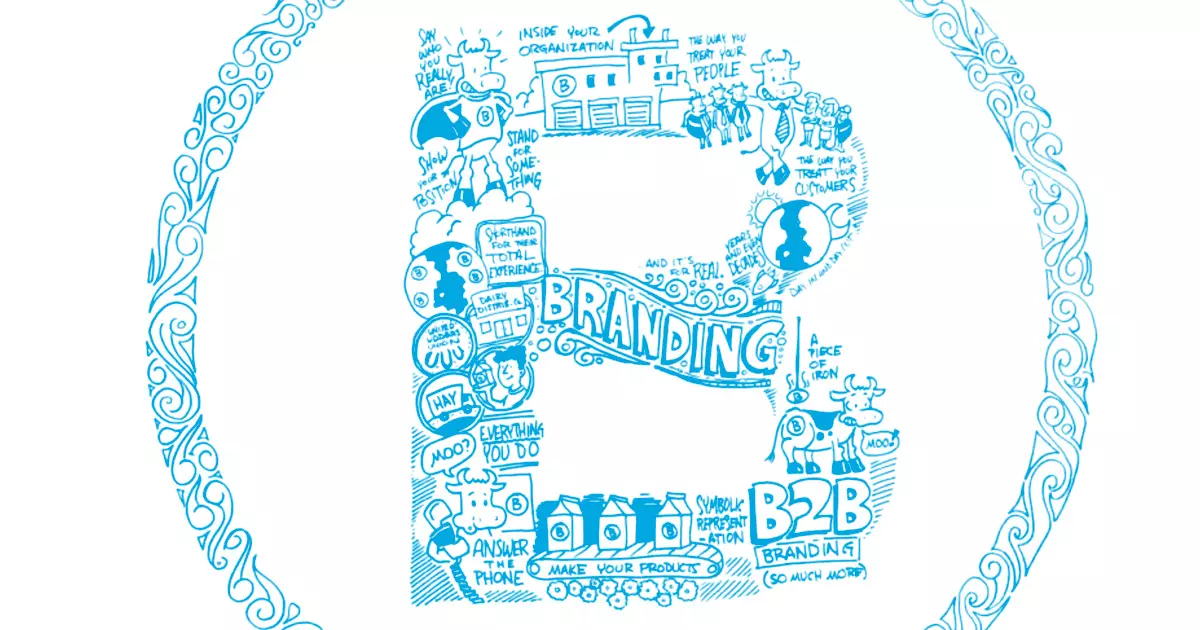
We recently met with an organization whose marketing director said, “Branding is a bad word around here.” Why? They invested in a six-year relationship with one of the biggest branding consultants in the business. One year alone they spent $5 million. What did they get for their six years and millions of dollars? A decision on color! Yikes! Every day we read in the paper where such-and-such a company is “re-branding” itself. You read on and you see that they changed their name. Or their logo. Contrast that with the work we did recently for a group that had some serious issues with how they were perceived by their customers. They were adamant about keeping their name and logo. Fine. We reworked their positioning, and their messaging, and created a new communications campaign with a very different tone and voice. We think we re-branded them. So do they.



November 14, 2006 | 8:52am
I read an editorial in the October 2006 issue of CREATIVITY Magazine written by Jonah Bloom, an editor at ADVERTSIING AGE. The title of the editorial was, “It’s not your clients, it’s you.”
He begins the editorial, “Memo to agencies: It’s time that broken record about your poor work being the fault of your clients was consigned to the storage locker with the rest of your vinyl.”
Ouch!
I admit, on occasion, I have used that excuse. I agree with Jonah that we on the agency-side often assume that since the client lacks the craft skills, they aren’t creative. Craft skills and creative are both essential but completely different things.
I know we have presented work that clearly demonstrates our craft skills but may be lacking true, innovative creative. Our clients may indeed lack the craft skills but they may the ones offering the real creative.
---More---
September 1, 2006 | 1:38pm
Don’t believe the hype John.   I understand and empathize with a number of your complaints about CSS but as anyone who has been in the IT field for any length of time will tell you, reality rarely if ever matches the hype.  Hyping is part of the business but we as users/consumers/developers (pick any) at this stage in the game should know better than to swallow the hook.

CSS is a standard written by the W3C for to help with the layout of web sites and applications.  I look at the use of CSS for web development like delivering a ham sandwich to a starving man.  No, it’s not a nourishing meal but it’s a damn sight better than what
---More---
 
 
Corner Cut      
Bottom Corder Fade   Bottom Right Corner Fade
  RSS  |  Client Extranets  |  Site Map  |  Terms & Conditions  |  Home
© Godfrey     http://www.godfrey.com/404error.aspx