Godfrey Logo
About Us  |  Contact Us  |  B2B Insights Sign-Up SEARCH
Top Right Corner Fade
B2B Insights Blog
B2B Insights Blog
interactive
June 25, 2008 | 9:39am
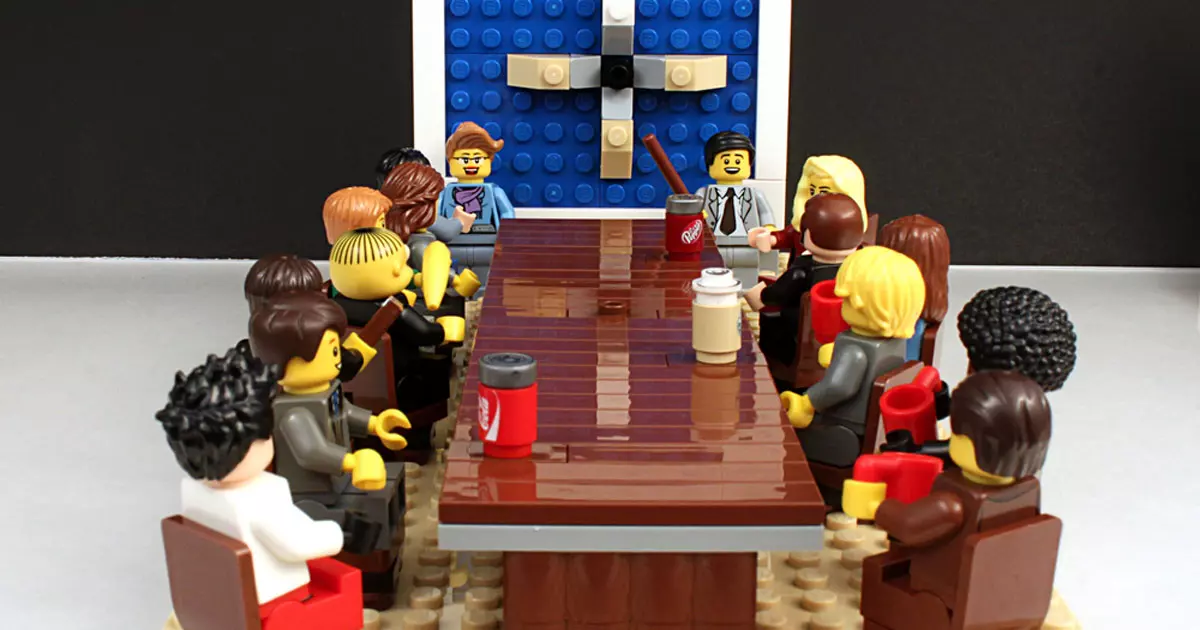
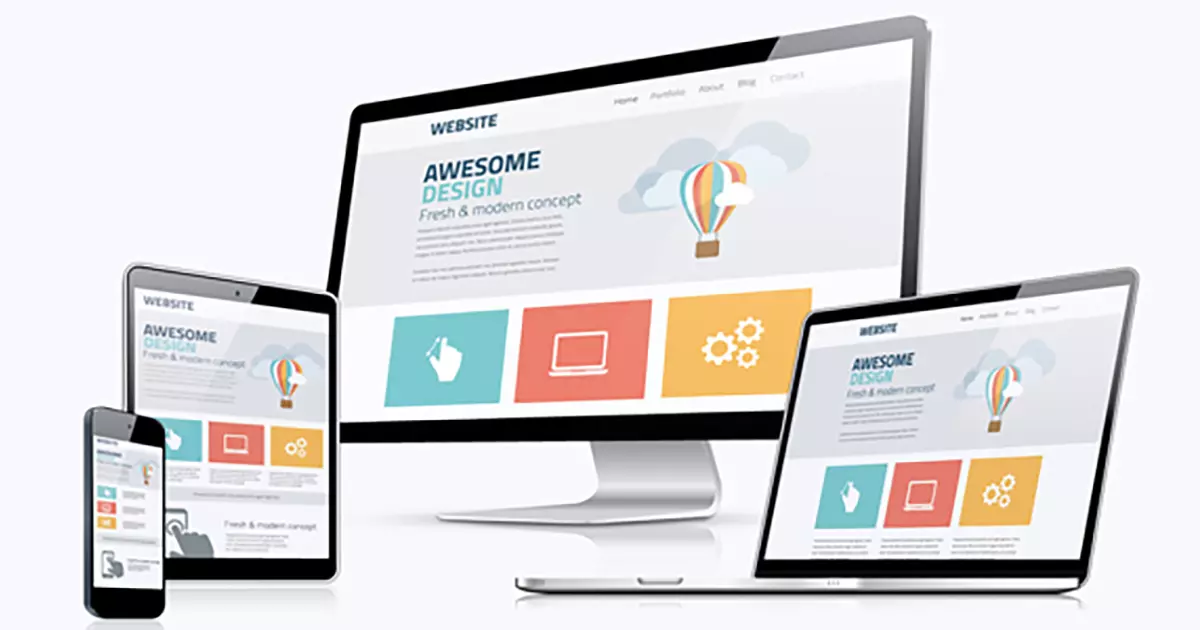
In every B-to-B web site redesign project, the home page always gets a lot of attention. Not only does everyone have an opinion, every area of the company usually feels that they need to be included in the process. Often a committee is created, usually with some acronym as a name to inspire action or teamwork. (WACS, WAT, WEBA) And then, the battle begins. Company divisions start clamoring for heavy exposure on the home page. Upper management wants a lengthy Flash intro splash screen. (No, this isn’t dead yet, and yes, it’s still a bad idea. See note below.) The IR team insists its messages should trump marketing’s. There are months of meetings, rounds of designs, and the end product reflects the company’s internal strife. The final design is often a clunky compromise, a concession to meet the political needs of the company—not the needs of the customer.


Oh, well. They won’t ever see your home page anyway.
---More---
May 16, 2008 | 10:52am

The economy is creeping towards a recession. The DOE’s 13 SEER mandate has helped level the playing field, household buying habits have changed dramatically since the popularity of the internet, and media options have drastically fragmented. With all of this going on, how can a low to mid level HVAC contractor compete against the big guys? While there is no perfect answer to this question, there are some suggestions to help you spend your precious marketing dollars wisely.

Start by looking to your manufacturer and distributor advertising programs. There are literally thousands of dollars available to dealers who agree to use branded and sometimes pre-packaged advertising programs. In fact some manufacturers offer up to 4 times a dealer’s advertising investment!

Next, think about timing and placement of your advertising. What are you really getting out of your investment? Case in point: if you put all of your dollars into yellow pages advertising then you
---More---

May 15, 2008 | 11:31am
In a perfect web world, your web site landing pages would have great conversion rates. A usability expert, user behavior observations, and qualitative research would be a part of every web design project. You would have hard data to know what works before unleashing your designs.

The reality is most B-to-B marketers don’t have the budgets or time to include this type of testing to optimize landing pages. But this doesn’t mean you should resign yourself to continue blindly driving visitors to your site, not knowing why your landing pages aren’t working or how to fix them.

Getting results from your landing page
If you’re running a campaign and not seeing results on your landing page, consider A/B testing. Although it has limitations, A/B testing is an inexpensive and relatively simple way to improve your site’s conversion rates.
---More---
May 13, 2008 | 9:27am
Lately I’ve been riding the bus to work, trying to save on gas. A fringe benefit is that I can listen to podcasts on my MP3 player.

Many B-to-B marketers (including some of our clients) are using podcasts to reach specific audiences who want to be informed. It’s a great tool for companies to establish thought leadership. However, you should avoid the temptation to record a blatant product pitch or “audio brochure.” Instead, content should meet the audience expectation that they’ll learn something new.

Your podcast needs to be educational and entertaining. The sales pitch can come later, when the listener chooses to take the next step and request more information (maybe even in exchange for their e-mail address).

First and foremost, a podcast should deliver useful information.
---More---
May 8, 2008 | 8:40am

More sophisticated sites offer product comparisons and tools that enable customers to better choose their own solutions. But even something as simple as a brochure, offered as a free downloadable pdf, can go a long way towards deepening the relationship between you and potential customers.

As you provide customers with tools and information, remember to instill a level of confidence. Customer testimonials are helpful, but only if they are genuine and presented well.

Validation from outside sources, like trade organizations and government agencies, also goes a long way toward instilling confidence in your company. Consider including their logos on your Web site where visitors will see them.
---More---

March 19, 2008 | 9:37am
Wondering about Widgets (J. Leigh Brown)
Ah, the widget. Beloved gadget, little module, info snippet, capsule of content or frivolous fun brought right to me. The widget is nothing new, but it’s been hyped a lot lately as marketers salivate over the advertising potential.

A long-time user of widgets, mostly for aggregating syndicated content, I was recently annoyed when I noticed a change in my iGoogle desktop. My only eye-candy widget, a picture of the day, was no longer visible, pushed off screen by a Google ad, newly inserted above the day’s image. Instantly engaged by the compelling advertisement, I delayed conquering my overflowing E-mail inbox and immediately clicked through to the advertiser's web site. Or so those wide-eyed over widgets want to believe.  

The Widget
---More---
March 3, 2008 | 8:57am

Once you get customers to your site, make sure it’s a site you’re proud of. Keep it clean and uncluttered. First impressions are important and provide opportunities to immediately engage visitors with information that meets their needs.

Begin by providing a brief description of who you are, including the products and services that you offer, along with language that relates to the visitors need or problem. Don’t give people a reason to leave your site too early. Addressing their “pain issues” up front rather then burying them deeper in your site will encourage visitors to stay longer. Avoid industry speak, and keep your history and mission statement off the home page, reserving this valuable real estate to tell visitors how you can help them. Make the site easy to navigate and the source of relevant content that is short, simple and to the point.
---More---
February 18, 2008 | 3:29pm

In the Internet age, consumers like to comparison shop. Help them make better decisions with a robust Web site.

Today, when most people want information, they go to the Web – to educate themselves, to look for solutions or to compare companies and products. Often they may be ready to buy, based on the information they find. That’s why it’s so important to design a Web site that includes all the information customers need at any stage in the buying process. 

Your Web site is your electronic storefront and as such, it should accomplish three things. First, it should be easy to locate. You can invest thousands of dollars on the best Web site in the world, but if you don’t drive traffic to it, the site won’t do you much good.

Second, your Web site should position your
---More---

February 4, 2008 | 11:16am
When should B to B marketers start thinking about mobile technologies? 

The answer is now. Think about it. There are nearly 200 million subscribers in the U.S., which is about 65% of the population. And thanks to advancements like PDA’s, smart phones, Blackberrys and most recently the iPhone, cellular technology is narrowing the gap between phones and PCs. In fact, with more stringent security for air travelers, many executives have set aside their laptops in favor of their favorite web-enabled hand-held device. 

So how should B2B marketers take advantage of this newest medium? There’s no one perfect answer. The best thing to do is start understanding and implementing the basics. 

Text messaging was one of the first and most elementary forays into mobile marketing. We’ve all seen text messaging promotions using short codes on popular TV shows like "American Idol" or
---More---

January 25, 2008 | 9:36am
Technology with a Purpose (J. Leigh Brown)
Most business-to-business marketers have a very long to do list for 2008. And if the predictions of BtoB Magazine and others are right, embracing Web 2.0 is probably still on that list.

But what embracing Web 2.0 means isn’t just a matter of subjective semantics, a definition varying with each pundit’s proclamations. How you incorporate new interaction techniques should vary with your company and objectives, but most importantly, the individual segments of your target audiences.

Remember that your web site serves many different audiences, all with different goals. Some visitors are just starting to research products, others are looking for service and support, while special groups like journalists, partners, and investors, are interested in a getting information quickly and getting on with their tasks.
---More---
 
 
Corner Cut      
Bottom Corder Fade   Bottom Right Corner Fade
  RSS  |  Client Extranets  |  Site Map  |  Terms & Conditions  |  Home
© Godfrey     http://www.godfrey.com/404error.aspx