I'm a partner and work in new business development and account management. I joined Godfrey in 1993 and have been involved in b-to-b marketing on both the client and agency side for my entire career. I hope I can infect many of you with my passion for the art and science of marketing communications and, perhaps, even offer some insights you will find helpful.


January 19, 2010 | 11:21am
Being connected to customer needs and desires should be a key aspect of shaping your B2B brand. But the engine of growth needs to include creativity, something many B2B executives don't spend much time on. Others like Google stake their reputation on creativity. They walk the talk: All engineers are allotted up to 20 percent of their time to work on their own ideas. The result? Products like Gmail and Google News, seeds of which began as personal endeavors.
According to MIT Media Lab, a hotbed of creativity, the secret sauce for business creativity is developing an environment where different people from different areas and disciplines of an enterprise, work together to share ideas to innovate.
Dr. ---More---
|
November 4, 2009 | 11:06am
One of the key tenants of strategy is choice. As we recover from this ugly recession, management in virtually every B2B company, large, medium and small faces BIG choices, like how they should position their company for future marketing success. Make no mistake, the consequences of these choices are BIG. They will have a much larger impact than next quarter's sales results.
What will guide decision making for such big choices? Relying on input from the sales force? Good, but not good enough all by itself for getting a true understanding of the market and audience information needed. Secondary Research? Probably some good information can be gleaned, but the information may be too general and, perhaps, not timely. Research done through publications is limiting and often lacks actionable information and insight.
Management needs solid, timely empirical information to guide informed decision making based on the reality of today's ---More---
|
July 21, 2009 | 10:22am
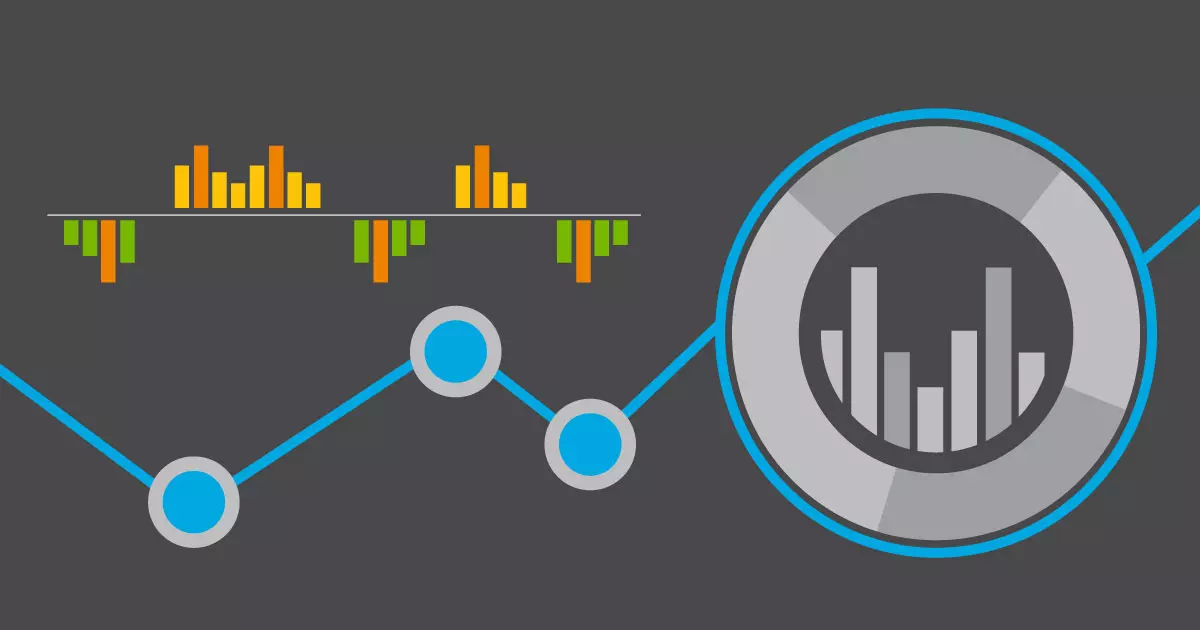
When a B2B marketer is asked about measuring brand equity, they usually have a pretty good idea about what folks are trying to glean or understand. But, if you dig a little and start asking what makes up this thing we call "brand equity" you might start to get a few puzzled looks. Dig even deeper and ask how they are leveraging what they know about their B2B brand equity that will have meaningful strategic impact on their marketing decisions in 2010 and you might see a little color drain from their face.
Is your company stuck in the old paradigm of brand equity measurement that offers little more than awareness and perception? Are you ready (and is your management) to develop a deeper more meaningful understanding about brand equity measurement that can be used for more effective 2010 planning?
Research that extends beyond knowledge, but through the use of advanced analytics, modeling and simulation, provides valuable real-time insights on how to build better ---More---
|
January 19, 2009 | 2:31pm
But what if B-to-B marketers were offered a brand equity assessment tool that not only provided specific insight into the components that make up brand equity...that not only provided advanced analytics and modeling that showed defined areas of strength and weakness...but also provided strategic insight to guide specific actions that would improve net and overall B-to-B brand equity? Wouldn't that be pretty compelling?
Guess what? There is a quantitative research offering today that not only assesses B-to-B brand equity but provides decision-focused analysis to help companies enhance their brand. Jointly developed by a leading B-to-B marketing firm and a leading international marketing research firms. You'll be hearing more about it in the future. If you can't stand it and need to find out more now, email me curt@godfrey.com and I'll fill you in.
|
October 10, 2008 | 8:12am
The results of a 2008 Business in Social Media Study (link to overview not actual study) by Boston Consulting firm Cone (conducted September 11-12, 2008, by Opinion Research Corporation) were interesting. According to this study, 60 percent of Americans interact with companies on a social media website, and one in four interact more than once per week. Other stats that jumped out at me from this study:
- 93% said a company should have a presence in social media
- 85% stated that a company should not only be present, but also interact with its customers via social media
- 56% said they feel a stronger connection with and better served by companies when they can interact with them in a social media environment
- 43% stated companies should use social networks to solve customers' problems
- 41% said companies should use social media to solicit feedback
---More---
|
September 17, 2008 | 4:34pm
Every company has brand stories that are unique. Like “the moral to the story” after a tale we heard as children, your brand story works to get to the heart of your company. It breathes life into who you are and what you stand for. These stories have the power to unite companies in a common purpose and direction. And they can help you build a deeper connection with customers. Brand stories are cumulative and strategic; they build on each other and help define what differentiates your company and why someone should consider buying from you. Brand stories are far more than cute or clever anecdotes, they can be key business drivers. The more coherent and compelling your brand story, the more it will power the success of your company. B-to-B marketers in this new broadband world have an opportunity to tell bigger and better stories than ever. This is new territory but the potential for enhancing your brand is enormous. ---More---
|
June 17, 2008 | 9:34am
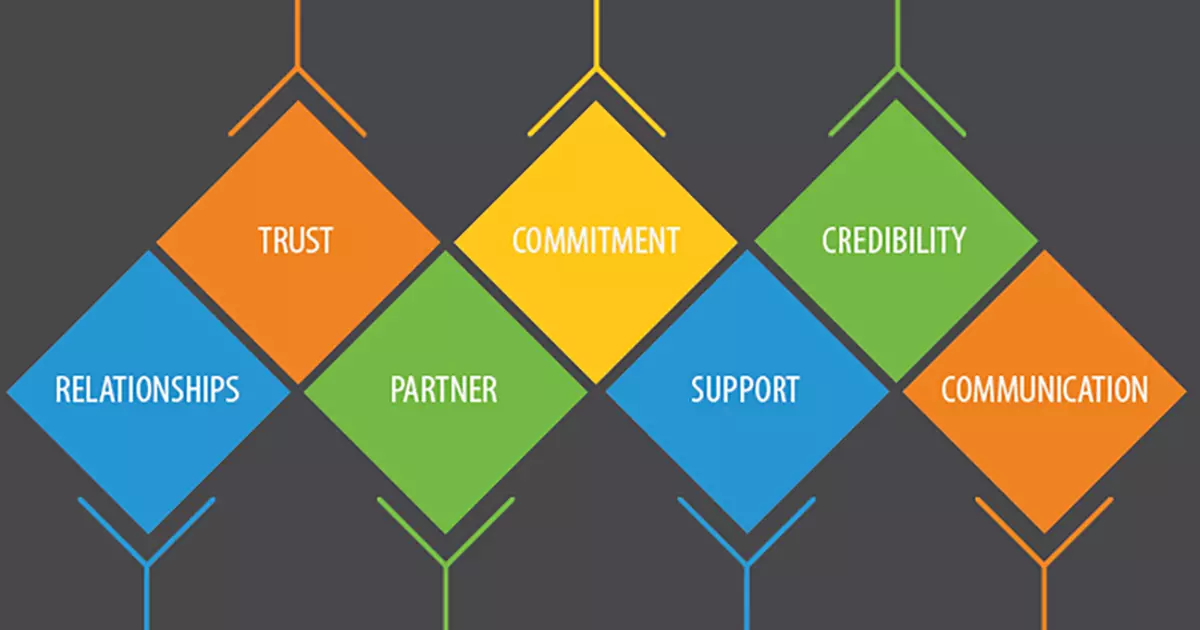
I must confess. I’m a believer in Marriott Hotels. I recently discovered, I've stayed at Marriott properties over 100 times in the last 10 years. It’s not that I see other hotel brands as being inferior. I just find myself almost “automatically” making reservations at a Marriott when traveling. Why? Because, through experience, I believe the experience will be positive and I’ve not been disappointed. Looking at it from a big-picture perspective, isn’t building belief the essence of what good B-to-B branding is all about? Without belief, there can be no trust, without trust there can be no loyalty. If a company, regardless of the products or services they offer, is not seen as having credibility, can any reasonable person be expected to believe that doing business with them is a wise decision? Sure there are other elements that go into effective B-to-B branding like consistency of expression, positive touch point ---More---
|
March 13, 2008 | 5:42pm
It's pretty easy to look at how competitive forces impact your business in a simplistic way. A SWOT analysis that many companies engage in while going through a planning process is helpful, but it lacks the dimension for real strategic value. A comprehensive competitive analysis needs to extend beyond merely looking at a company's direct rivals, although this is the best place to start. Other factors must be included to gain valuable insights for a sound competitive strategy.
- The exploration of new and emerging companies that could have an impact on your market or industry. If the barriers-to-entry are relatively low, it could have major implications on how you go to market, your product offering, product lifecycles and many other BIG decisions you need to make.
- The strength of bargaining power that your customers have in the marketplace along with companies with whom you deal with that are essential to providing
---More---
|
December 21, 2007 | 9:24am
Even though our business is helping B-to-B companies grow through effective and smart communications, it does make sense for us to pay attention to what’s going on with some things in the consumer world. In the November issue of Consumer Insight, an E-Newsletter put out by the audience research firm, Nielsen, there’s an interesting article titled How to Measure an Online Audience: Change is the Only Constant. It goes on to talk about where we are evolving in online audience measurement. One item really stood out in this lengthy piece. It relates to what they believe is the best engagement metric for Web 2.0 sites. Scott Ross, Director of Product Marketing for Nielsen Online’s NetView summed it up, “’Total Minutes’ is the best engagement metric in this initial stage of Web 2.0 development, not only because it ensures fair measurement of Web sites using RIA ---More---
|
September 8, 2007 | 12:10pm
Sound Branding (Curt Hitchcock)
It’s not new, companies have been using sound as part of creating a brand experience since around 1950. NBC had the famous three chimes. United Airlines for years has integrated Rhapsody in Blue by George Gershwin in its branding efforts. According to a Business Week article, Fine Tuning a Brand’s Signature, companies are looking to add sound in new ways to enhance the brand experience. ( see slide show) According to Derrick M. Kuzak, Ford Motor Co.'s global chief for product development, customers are incredibly attuned to the sounds of quality, but Ford hasn't been, and he believed it has cost them. Think he’s crazy, think again. J.D. ---More---
|